





understanding the power of fragrance: polyvagal theory explained
exploring Dr Stephen Porges’ theory, the role of the vagus nerve and the power of fragrance in nervous system regulation

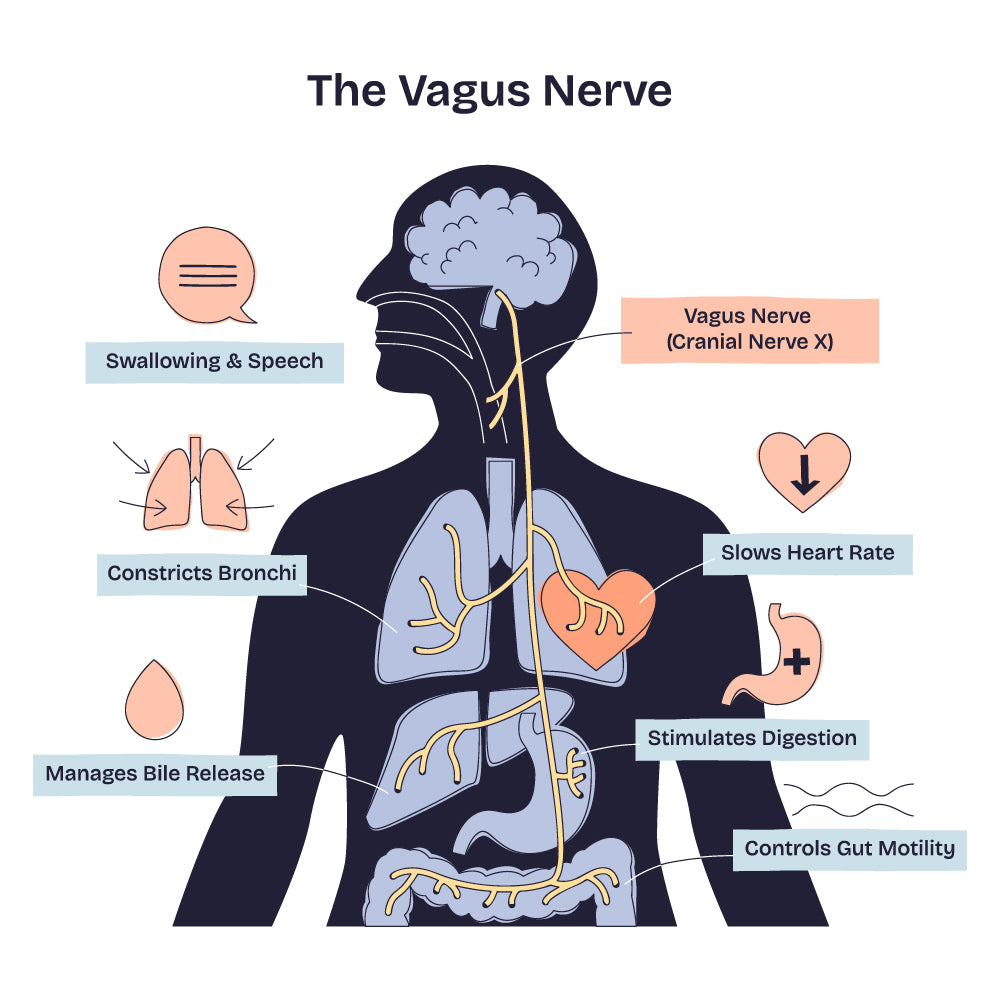
The polyvagal theory was introduced by neuroscientist and psychiatrist, Dr Stephen Porges in 1994. It centres on the vagus nerve, which is one of the most complex and longest nerves in the body. It is the principal player and mediator of the parasympathetic nervous system, forming a ‘superhighway’ between the brain and nearly every major organ in the body, including the heart, lungs, gut, and liver. Dr Gaby Badre describes the vagus nerve as "one of the most fascinating and clinically significant components of the nervous system”.
The Polyvagal theory explores how the autonomic nervous system responds to danger, regulating emotional states and social behaviour in response to feelings of safety or threat through two main vagal pathways. The ventral vagal pathway supports calm states and social engagement and quickly helps us feel safe and connected. The dorsal vagal pathway is linked to shutdown, immobilisation responses and is a more primitive survival system. His theory helps us better understand how our autonomic nervous system works, so we can learn how to regulate and retune our responses.
the vagus nerve and regulating the nervous system
Neuroscientist Dr Gaby Badre says, “What makes the vagus particularly interesting from a neuroscience standpoint is its bidirectional communication. While the focus is often on 'efferent' signals from the brain to the body, about 80% of vagus nerve fibres are 'afferent', carrying sensory information from the body back to the brain, reporting the state of internal organs. This ascending input is essential for maintaining physiological balance and homeostasis by enabling the brain to monitor and adjust heart rate, digestion, respiration, inflammation, and overall general arousal. Through its extensive connections with limbic and cortical structures, this interoceptive stream also shapes emotional states, guides decision-making, modulates stress responses, and even contributes to memory consolidation. In this way, the vagus nerve illustrates the deep inseparability of bodily states and mental processes.”
Here, we can understand how learning to regulate our nervous system can be a significant tool for shifting how our bodies respond to external triggers in the long term. By practicing regulation through rituals or cues (particularly scent - more on that later), we can help tell the brain we are safe and physically calm the body, and vice versa.
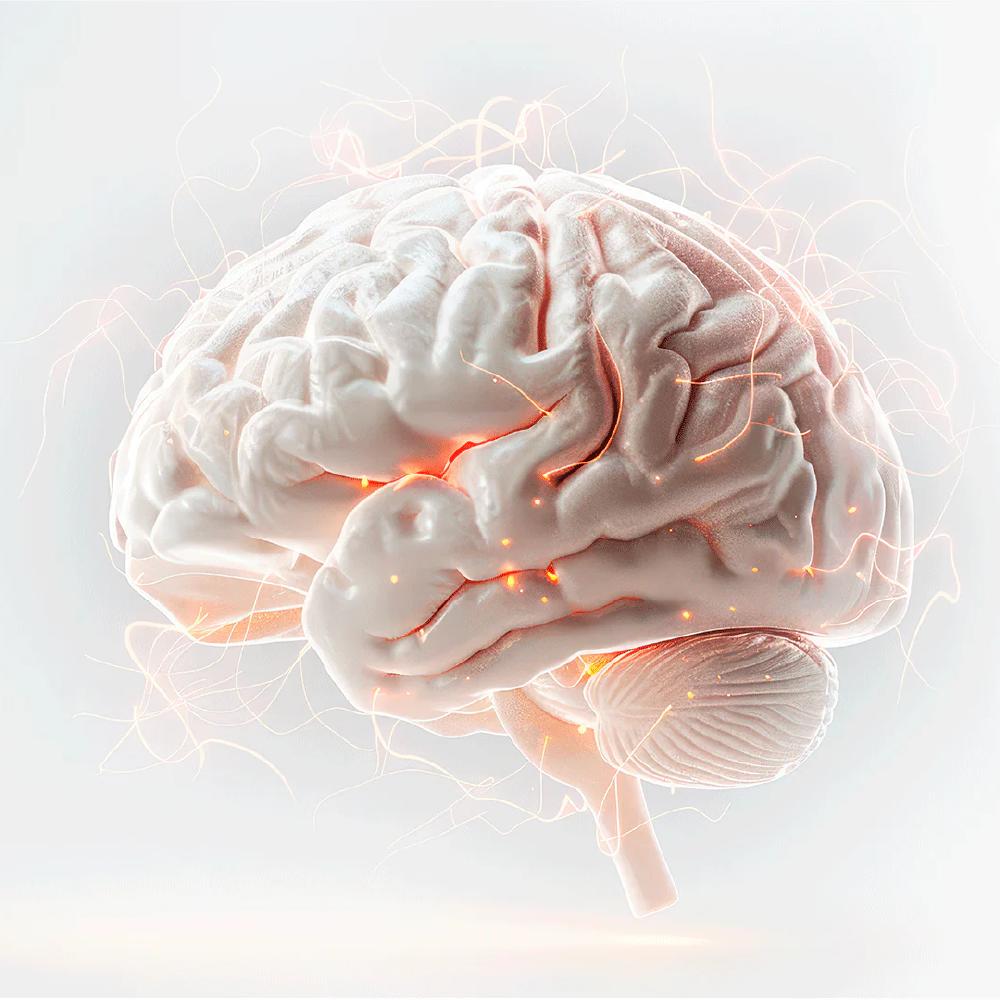
polyvagal theory: the three components
The polyvagal theory has three key principles: the hierarchy of the autonomic nervous system, neuroception, and co-regulation. Together, they explain how the body perceives information, sends signals to the brain, and responds. Our autonomic nervous system has three main states, which we shift between depending on how safe or unsafe we feel. These states underpin our emotions and behaviours. Sometimes we are clearly in one state; other times, we may be somewhere between two, such as during play, dance, or intimacy.
relaxed
The parasympathetic nervous system is activated through the ventral vagal pathway and operates through myelinated fibres, enabling a rapid response.
You might have heard of the term ‘rest and digest mode’ to describe this state. When this state is activated, we will have a normal heart rate and muscle tone and might feel relaxed, engaged, curious, hopeful, or creative.
mobilised
The sympathetic nervous system is activated.
This state is often referred to as ‘fight or flight’ mode. When activated, heart rate, blood pressure, and hormone flow increase. If you perceive the situation as safe, you might feel energetic, playful, motivated, or active. When unsafe, you feel stressed, anxious, or fearful.
immobilised
The parasympathetic nervous system is activated through the dorsal vagal pathway and operates through unmyelinated fibres. This represents a more primitive defensive system.
You may know this state as ‘freeze’ mode. Here, heart rate and energy are low. If safe, you may feel meditative, tranquil, or dreamy. If unsafe, this can feel hopeless, unhappy, or depressed.
neuroception
This is the idea that we have a built-in surveillance system, which our higher brain structures use to continuously perform a ‘risk assessment’ using information transmitted by sensors throughout the body, before deciding which state it belongs in. This mental ‘triage’ process is not something we are aware of – it is continuously happening beneath our conscious awareness, without using the thinking part of our brain.
It’s very fast at interpreting information from other people, our own bodies, and the environment to detect cues of safety or danger. Not everyone will perceive the same situation as a threat or safe, and each person is biased toward one or the other. A person’s experience, history, and resilience will play a part in how flexible their nervous system is - and where their brain jumps to in terms of perceiving threat vs safety. If our neuroception is injured, and we have a history of adversity, we may perceive situations as dangerous when they are actually safe. These individuals might be hypervigilant, on edge, and with a low tolerance window, as they’re constantly anticipating a threat.
co-regulation
The third principle of the polyvagal theory is co-regulation, which is the idea that we send signals to those around us about perceived safety or threat, and this can make people more or less likely to connect and interact with one another. This happens through our ‘social engagement system’. On a physiological level, neural pathways emerging from the ventral vagal complex in the brainstem calm our reaction to the threat while simultaneously enabling facial expressions, head movements, and vocal intonations that signal to others that we are open to friendly communication.
A simple example of co-regulation is the relationship between a mother and baby. When a baby cries, they enter a ‘fight or flight’ state, perceiving hunger, discomfort or tiredness as a threat. The mother’s nervous system responds by moving into action to meet the baby’s needs. As the baby is soothed and begins to calm, the mother’s nervous system also settles, shifting into a ‘rest and digest’ state. In this way, they regulate one another.
managing mood and the influence of Functional Fragrances
When you breathe in a scent, it sends signals to the brain faster than any of your other senses can, and we’ve leveraged the power of the olfactory system through our library of Functional Fragrances. We call them neuroscents because they’re carefully formulated to influence how your brain and nervous system feel - not just how you smell.
Our Functional Fragrances are blended with specific terpenes, sesquiterpenes, and essential oils that are clinically proven to influence parts of the brain and autonomic nervous system that control stress, mood, emotions, memory, focus, and sleep. They give you tangible, proven-to-work tools to help you regulate your nervous system and be the boss of your brain.
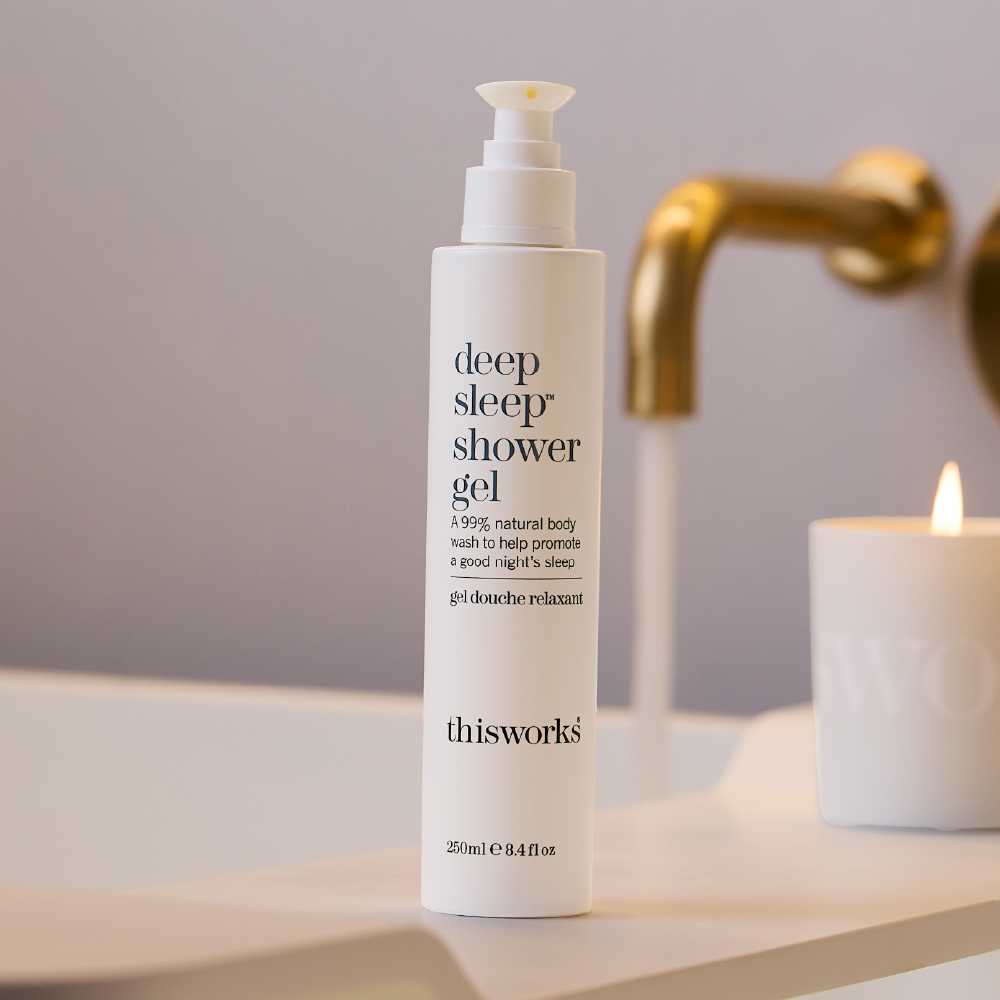
Deep Sleep
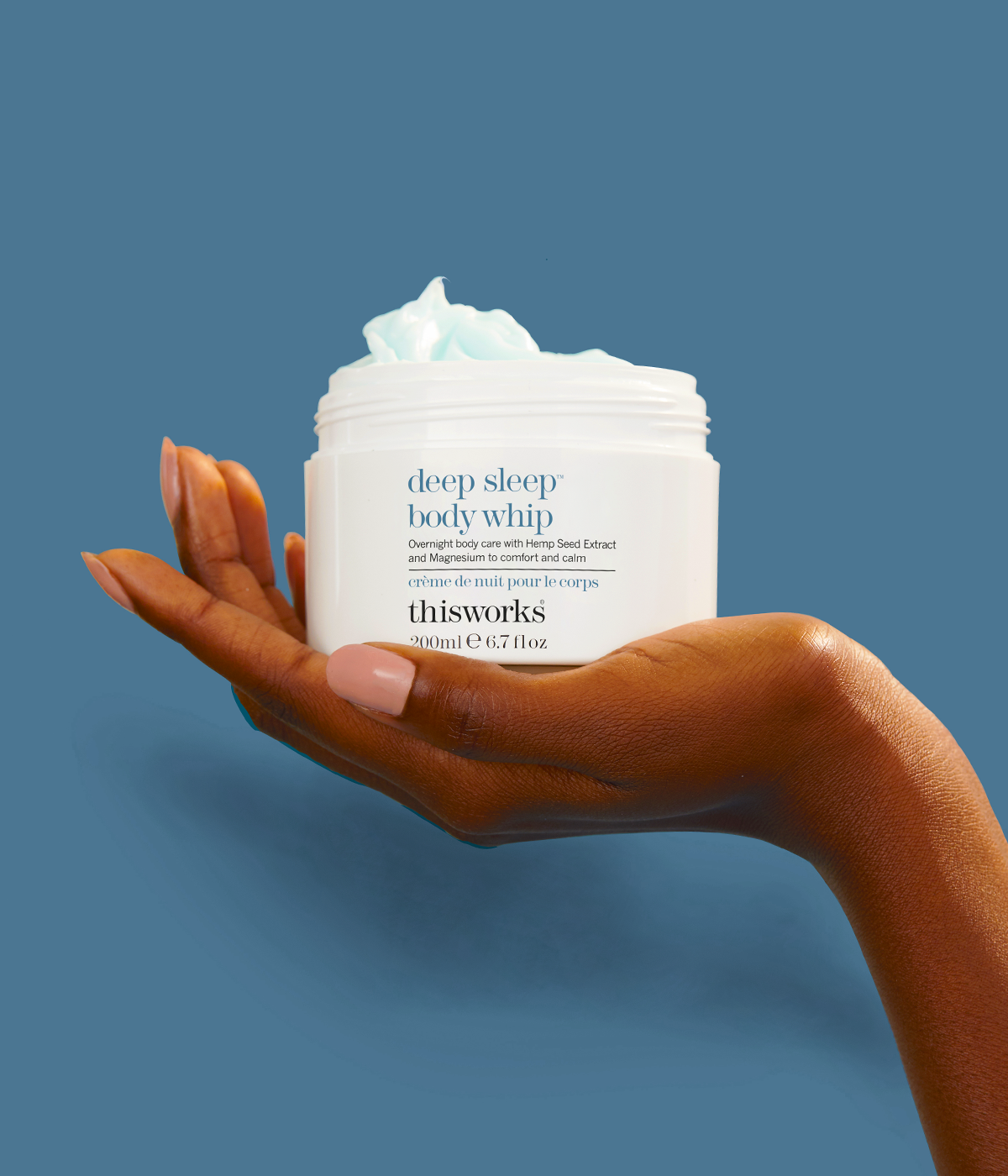
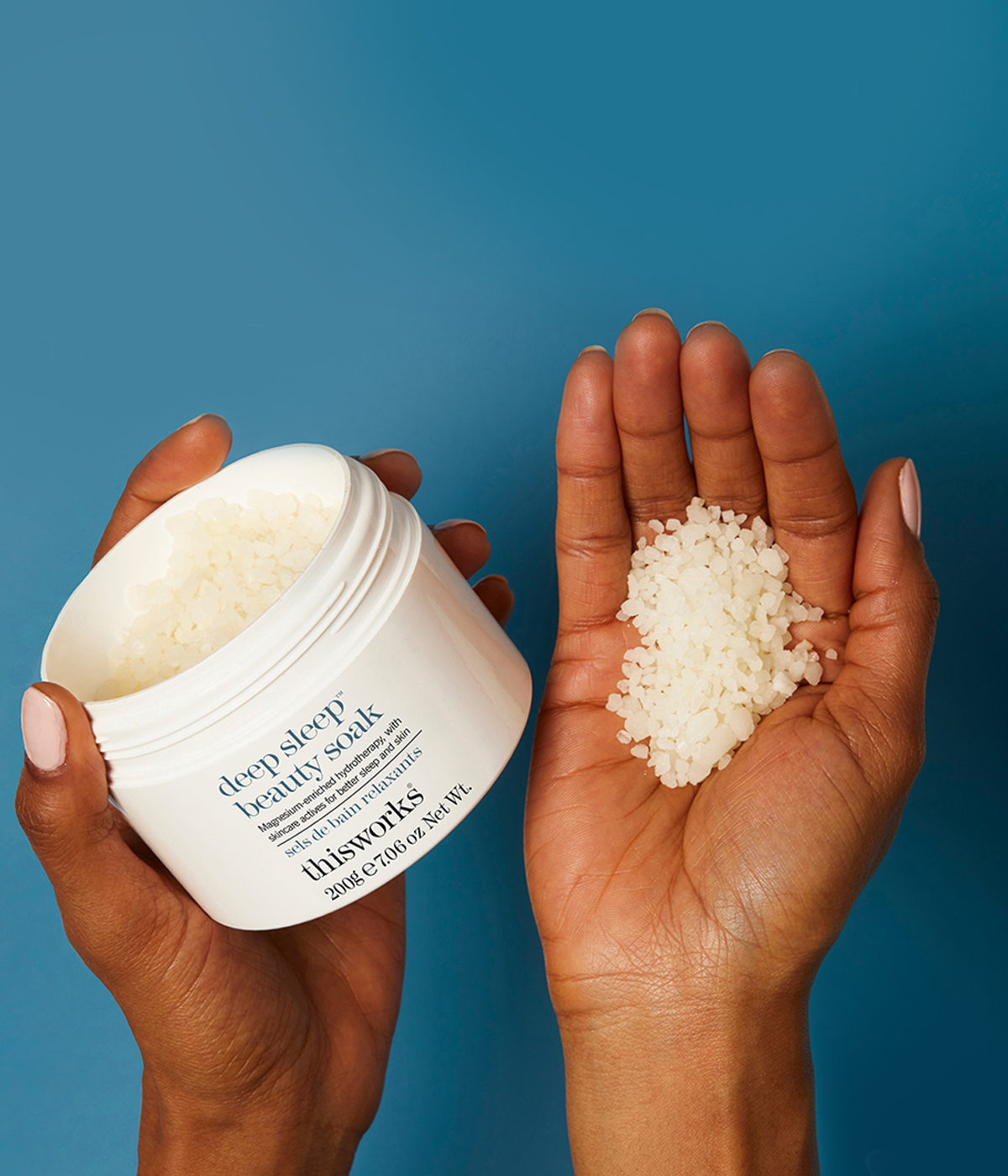
This beautifully calming scent interacts with the limbic system – the areas of the brain associated with emotions, pleasure and calmness. When tested in an fMRI study in 2017, results indicated that the Functional Fragrance has the potential to encourage a predisposition toward sleep. Spraying our deep sleep pillow spray before bed serves as a scented cue that signals to the brain it’s time to wind down for sleep, while the Lavender, Camomile and Vetivert scent helps calm the nervous system for deeper, restorative sleep. Our deep sleep bodycare collection features skin solutions infused with our Deep Sleep Functional Fragrance, and blended with active ingredients to treat the skin while supporting better sleep.
Perfect
Our Perfect Functional Fragrance has been clinically tested using fMRI imaging, which indicated the fragrance activated areas of the brain associated with reward, memory and emotion. Using the functional aroma in perfect legs skin miracle, or other award-winning bodycare heroes in our Perfect collection, is not only good for your mood through the physical aspect of finding time for self-care, or the ingredients that nourish your skin, but it is also physiologically beneficial for boosting your mood.
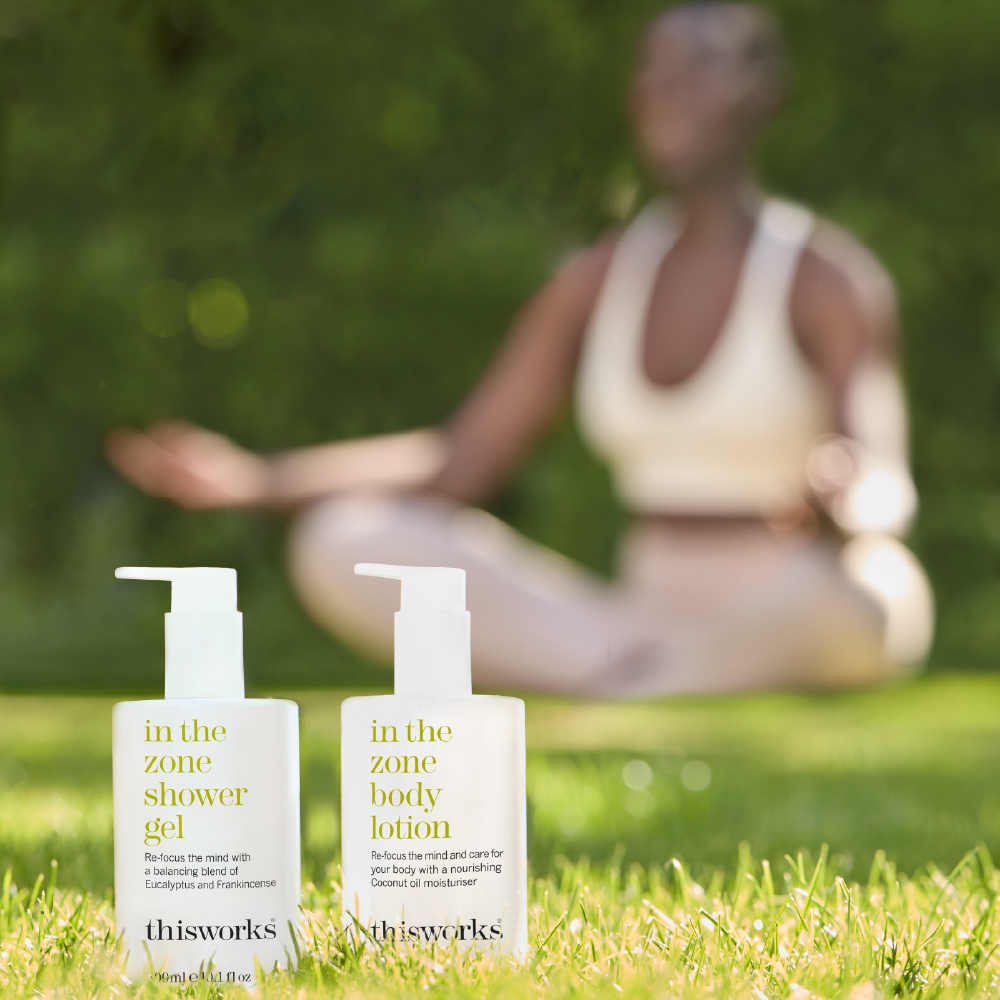
In The Zone
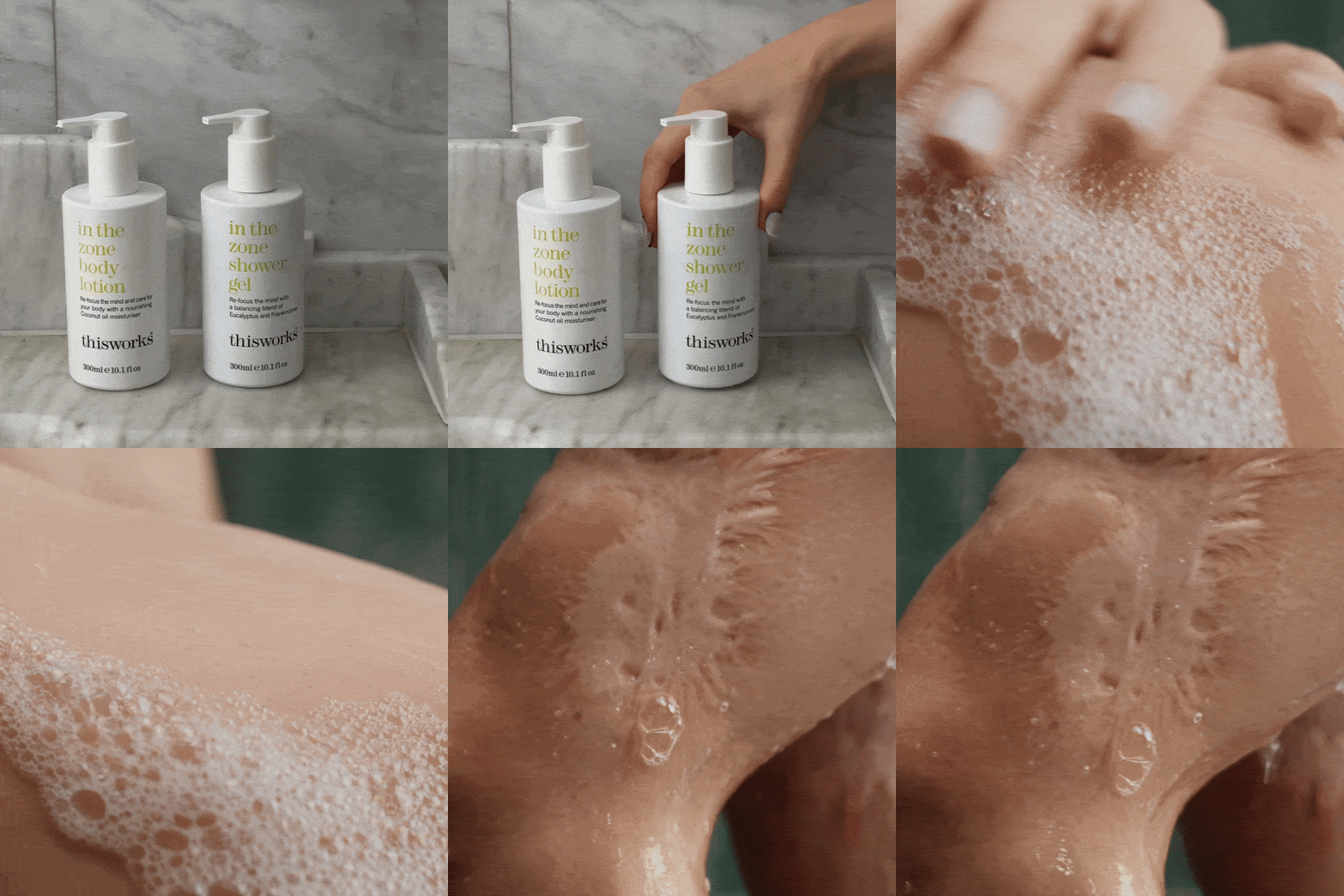
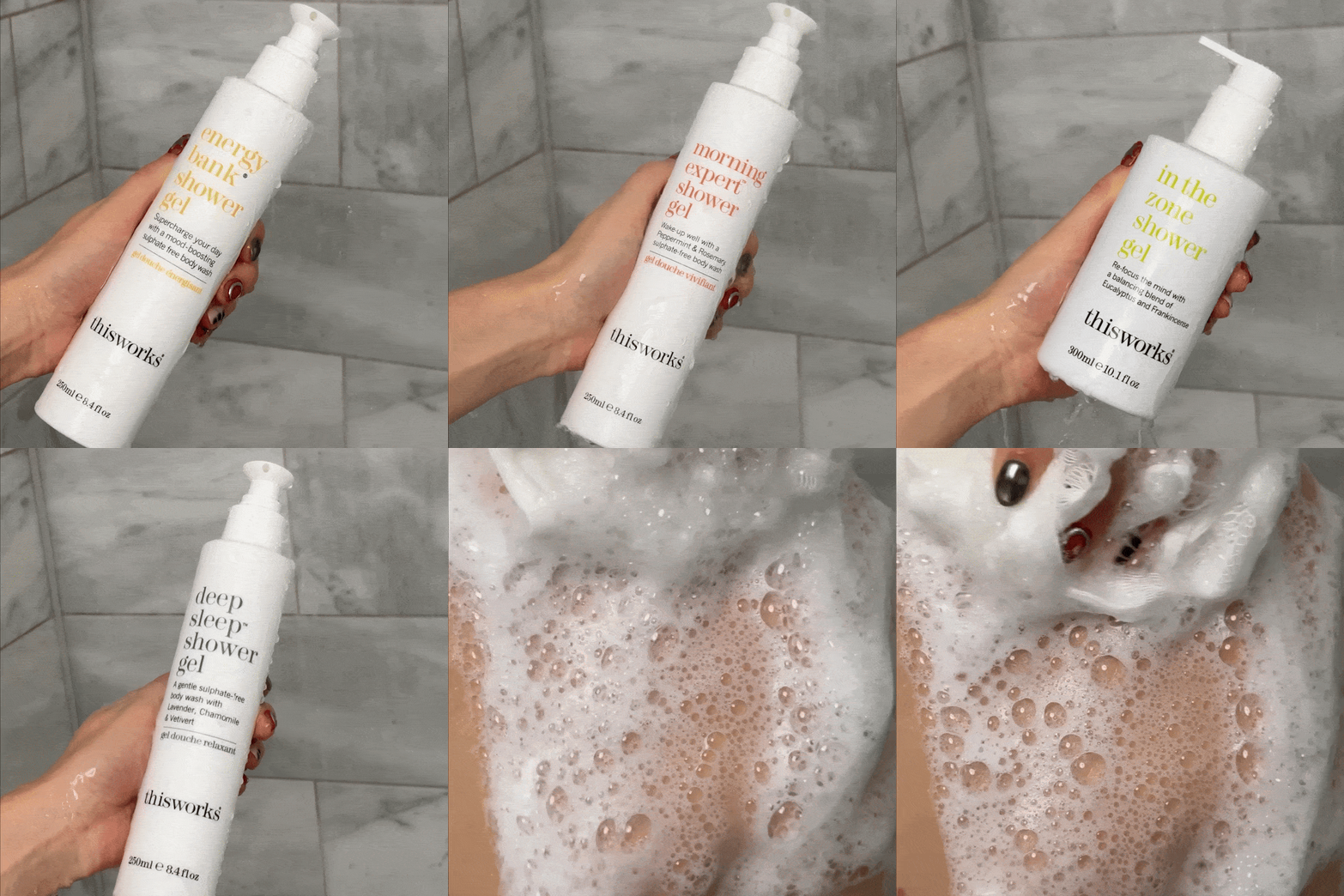
We conducted a pilot study to test the potential cognitive benefits of our blend of Petitgrain, Eucalyptus, Patchouli, and Frankincense. Results indicated that participants exposed to this fragrance outperformed placebo and control groups in both verbal and spatial memory working tasks. The scent was also rated most pleasant, suggesting a link between olfactory stimulation and improved cognitive function. Along with increased alertness, brain imaging revealed activation of regions critical to working memory and attention. Showering with the in the zone shower gel first thing in the morning is a great way to fire up the brain and wake up the body, letting your system know it's time to switch on for work.
Morning Expert
Our 2017 fMRI study indicated that our blend of Peppermint, Rosemary, and Lavandin showed the capacity to positively impact areas of the brain linked to reward, memory, emotions, and attention, making it the most energising of the three tested. Showering with morning expert shower gel, or adding morning expert hyaluronic serum to your daily routine, can help banish fatigue by waking up the skin, body, and brain and setting you up for productivity.
Stress Check
We conducted a study using brain imaging (fMRI) that looked at the effects of Ylang Ylang oil on the brain and stress. The study showed that Ylang Ylang activated certain brain areas linked to emotions and stress, such as the amygdala and insula. When participants were exposed to stressful tasks or angry faces, smelling Ylang Ylang helped calm the brain’s stress response. It was particularly effective at reducing activity in the insula, a part of the brain that becomes activated when something grabs your attention or feels emotionally intense, suggesting that Ylang Ylang might help reduce stress and emotional reactions. Our Stress Check collection features handy on-the-go solutions, like a mood-managing spritz and a pulse-point roll-on, to help you re-centre and rebalance your nervous system.
Own Time
Whilst not specifically a Functional Fragrance, our brand-new Eau De Parfum, Own Time, is designed specifically to work with and regulate your nervous system. It’s the first in a portfolio of neurocare products proven to activate the parasympathetic nervous system through both behavioural rituals and neuroscience-backed terpenes and sesquiterpenes. Own Time signals to the brain that it’s safe to let go of daytime alertness and transition into evening rest, initiating a neurojourney that helps you switch off and reclaim your evening hours for connection, rest, and better sleep.
Related posts
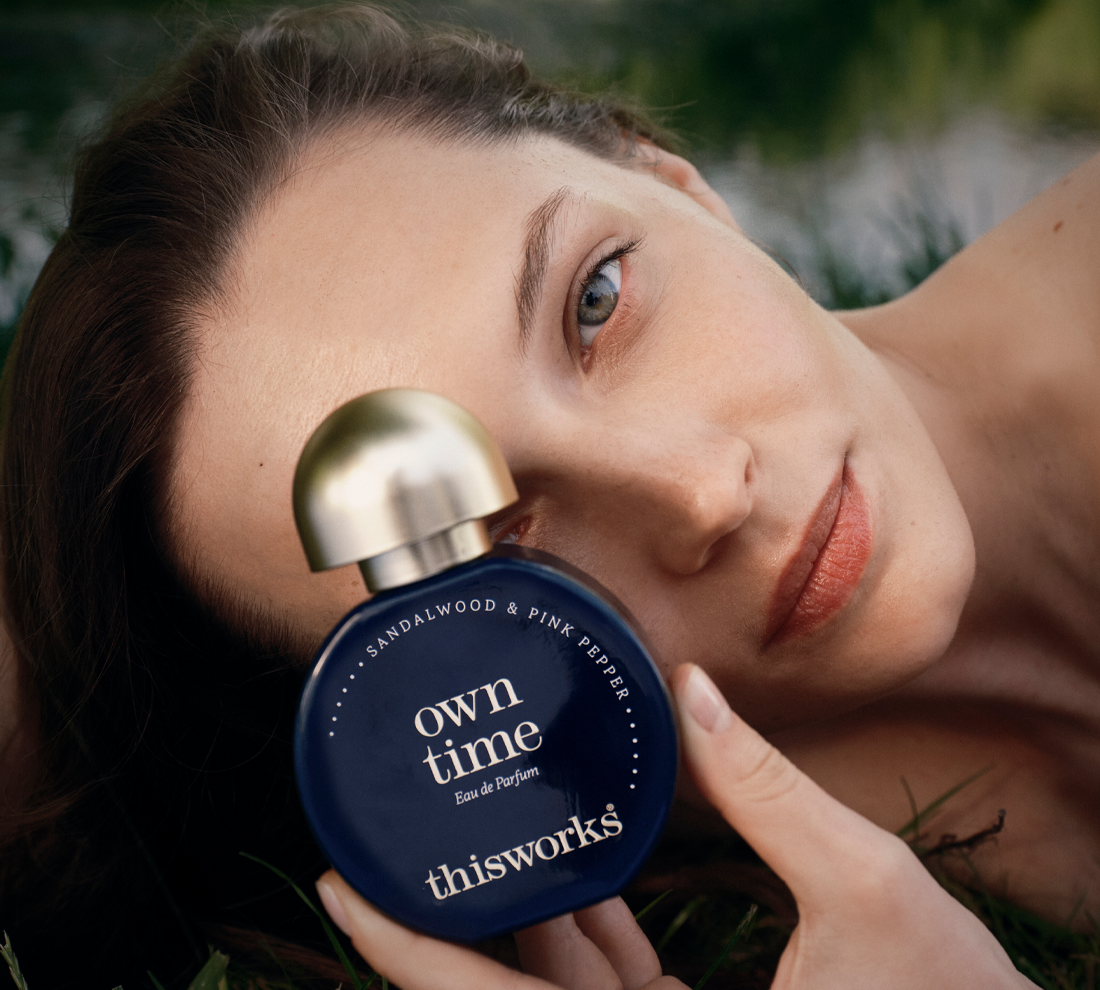 fragranceOwn Time Eau de Parfum featured in Refinery29: the connection between scent and wellbeingOwn Time Eau de Parfum features in a personal Refinery29 exploration of fragrance, self-care and endometriosis, with our CEO Dr Anna Persaud sharing the science behind scent, memory and emotion.read post
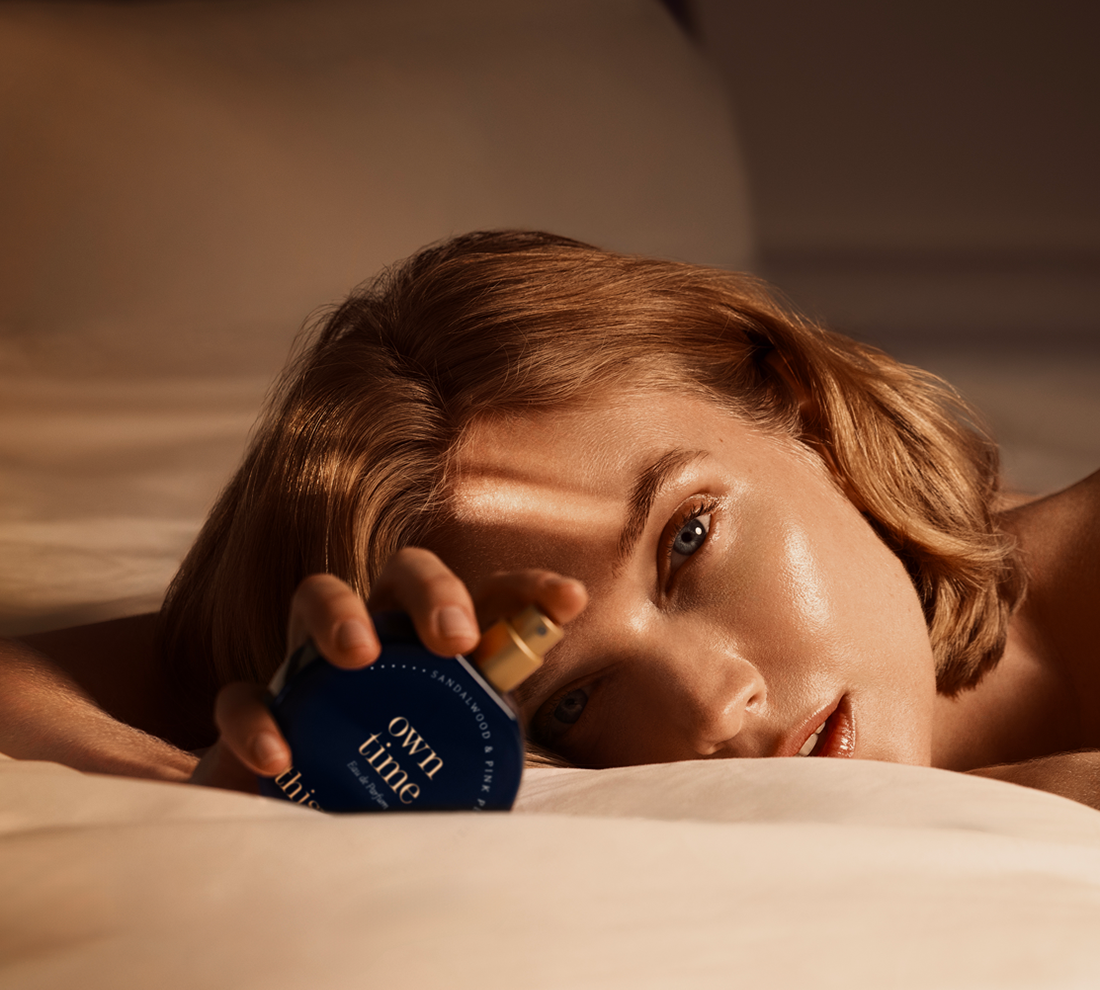 fragranceOwn Time Eau de Parfum wins an Oprah Daily Beauty O-ward for best bedtime scentOur Own Time Eau de Parfum has been named Best Bedtime Scent in the Oprah Daily Beauty O-wards, celebrating the very best in beauty and wellbeing.read post
 sleep hygienethe science of switching off: Dr Anna Persaud in the Financial TimesDr Anna Persaud, CEO of This Works, joins the Financial Times’ Brains of Wellbeing + Beauty series to explore what it really takes to get a better night’s sleep.read post
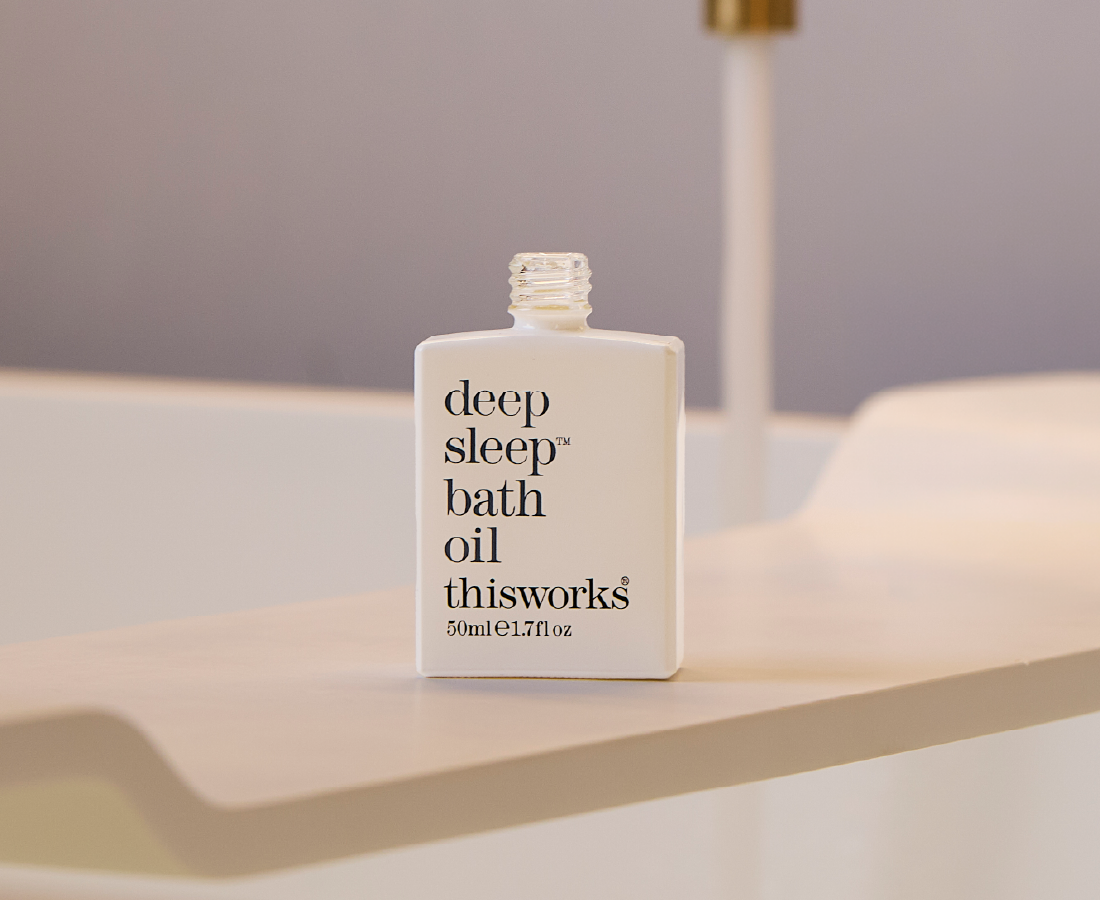 breathworkhow to build a bathing ritual that genuinely helps you switch off and sleepAfter a busy day, switching off isn't always as simple as climbing into bed. Stress, screen time and busy schedules can make it harder for both your mind and body to recognise that it's time to rest. A consistent bathing...read post
 fragranceFunctional Fragrance: can scent actually change how you feel?Discover how Functional Fragrance goes beyond traditional perfumery by working with the brain's natural response to scent. From the science of the limbic system to the power of evening rituals, learn how own time perfume was designed to help support...read post
 expertshow sound shapes your nervous system, with Professor Gaby BadreFrom birdsong and music to the voice of someone you love, sound has a profound influence on the way your brain and nervous system function. Our expert scientific advisor, Professor Gaby Badre, explains why hearing is much more than one...read post
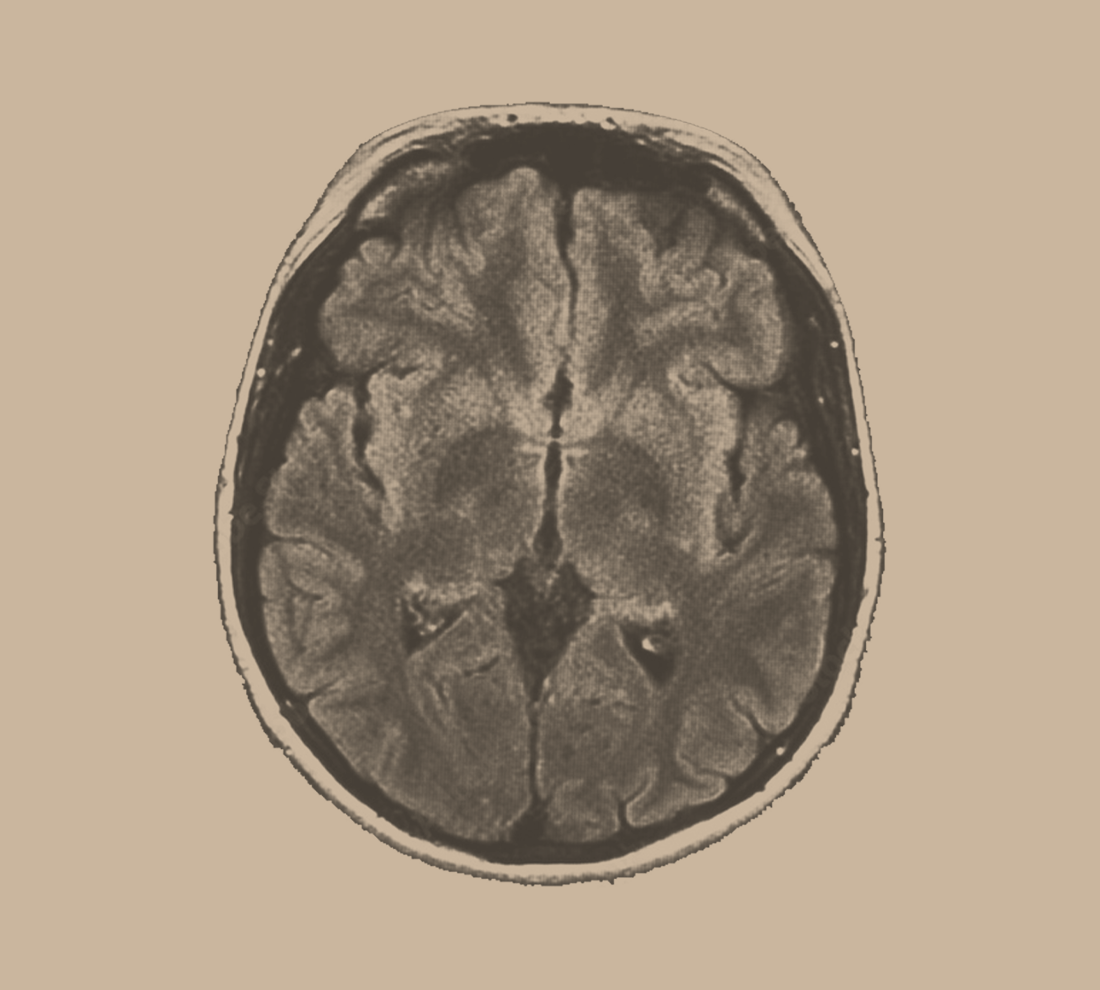 fragrancehow scent affects your mood: the neuroscience of fragrance explainedCan fragrance do more than simply smell beautiful? Discover the neuroscience behind scent, why your brain responds so powerfully to aroma, and how Functional Fragrance is helping redefine perfume as part of a modern wellbeing ritual.read post
 expertsthe body-mind connection, Professor Gaby Badre on how the body influences the brainProfessor Gaby Badre explores the science of the body-mind connection, examining how signals travelling from the body to the brain influence emotional regulation, stress, cognition and wellbeing.read post
