







how to spring forward smoothly – tips from our expert neuroscientist, Professor Gaby Badre
Our expert scientific advisor, Professor Gaby Badre, explains the science behind the seasonal changes and gives his expert advice on tackling the transition into daylight saving time.
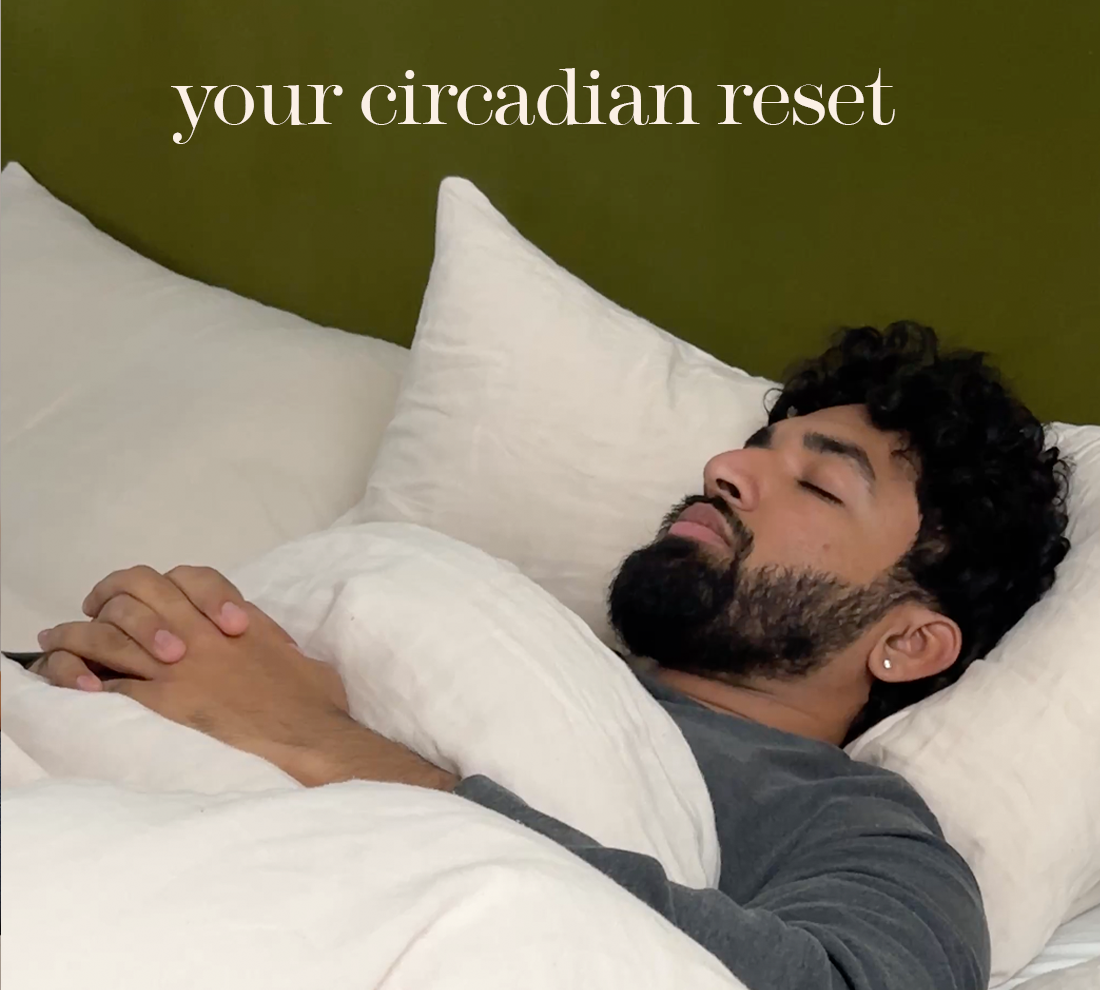
Can you feel it? The sun on your skin, the smell of fresh cut grass, the first sight of daffodils lining the pavements. That’s right, spring is (finally) springing! With the change of season comes the switch from GMT to BST (British Summer Time) on Sunday 29th March, which sees the clocks ‘go forward’ an hour. This usually means our evenings stretch longer, mornings and evenings get lighter, and temperatures warm up. While the change is welcomed by most, the extra hour of daylight can throw our biological clocks off kilter, and it can take our circadian rhythm some time to adjust. Here, our expert scientific advisor, Professor Gaby Badre, explains the science behind the seasonal changes and daylight saving time that spring entails, and provides tips on how you can maintain a healthy sleep rhythm and get a restful night’s sleep.
what happens to our bodies during a clock change?
Our circadian rhythms are 24-hour cycles that are part of the body’s internal clock, which regulates essential functions like temperature, hormone levels, metabolism, appetite, sleep, and wakefulness. Many of these functions (particularly how and when they are carried out) can influence each other, which is why eating late at night, being too hot or cold and feeling stressed can all have a detrimental effect on our sleep. To get good-quality, restorative sleep, it is fundamental that our body’s internal clock is functioning at its best.
We all have a master clock that communicates with the many other clocks ticking throughout our bodies to carry out functions. This clock (or group of nerve cells in the hypothalamus called the Suprachiasmatic Nucleus) is synchronised with the external light-dark cycle, and it sends signals to the rest of the body’s clocks according to light cues. A sudden external change in the environment or regular schedules (like a clock change) can leave the master and peripheral clocks out of sync. This is why doing shift work that goes into the early hours, travelling across time zones or staying up late at night can quickly throw off our sleep.

how can the clock change affect us?
When our circadian rhythm is thrown off, our sleep-wake cycle is disrupted, which can lead to frequent waking, and a groggy feeling that is hard to shake come morning. This lack of sleep, however small it may be, can negatively impact mood, cognitive function, attention span, focus and decision-making. Interestingly, missed medical appointments have been shown to increase significantly the day after spring DST, proving that this little shift can have a huge effect on many people. Some people will find this change harder than others, with migraine sufferers, teenagers who tend to stay up later than most and 'night owls’ being amongst the worst affected. The good news? Parents of very small babies needn’t worry, as newborns have not yet developed a circadian rhythm.
the 15-30 minute window
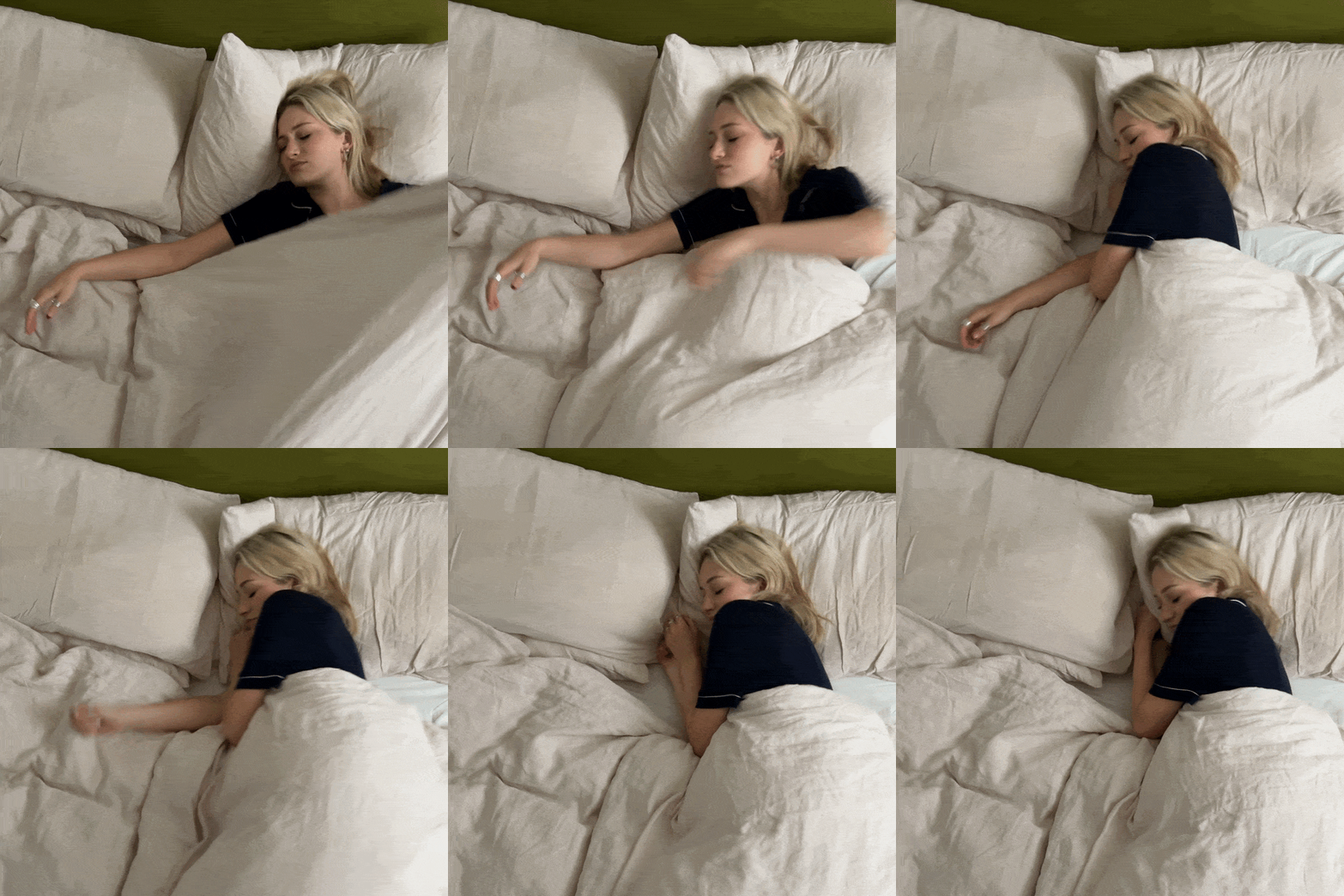
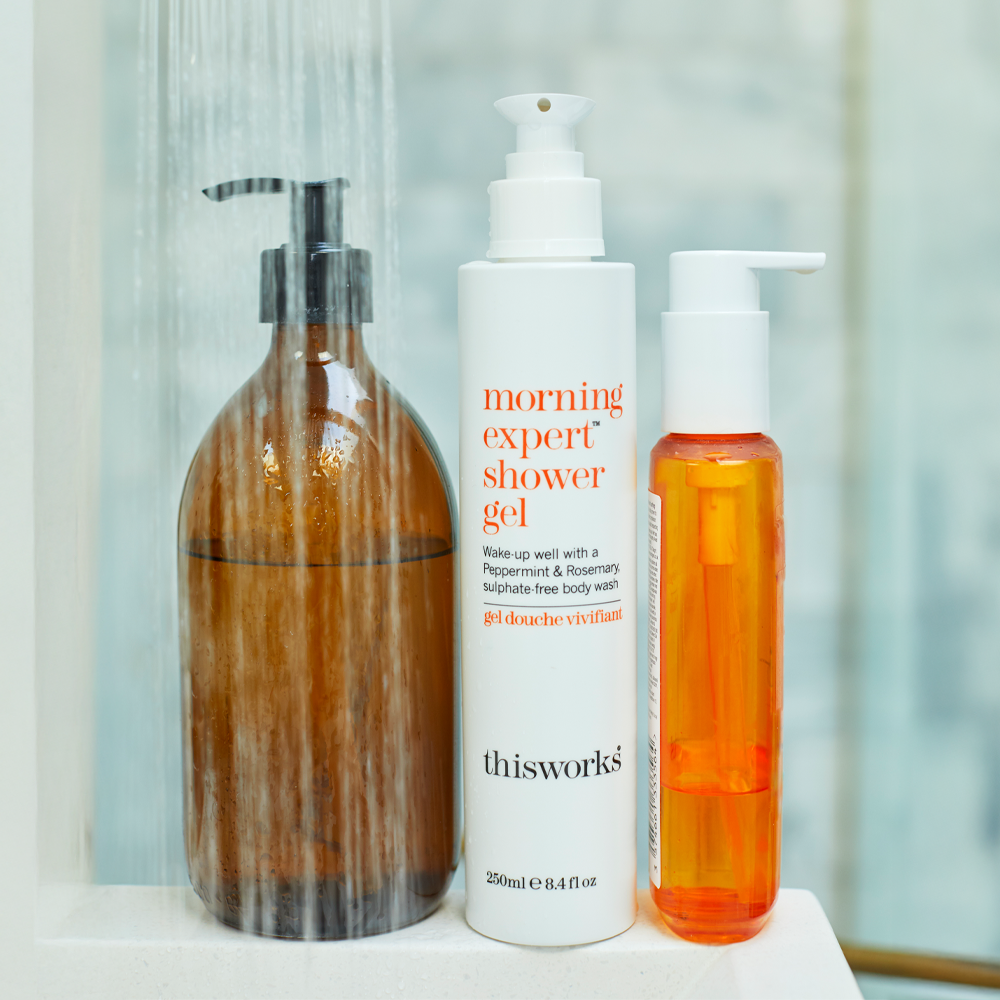
To align with the new daylight hours, it can be helpful to move both your usual bedtime and wake-up time forward by 15-30 minutes two to three days before the clocks change. For some, it may help to start with 10 minutes and build this up to 30 minutes over the 3 days. Slow and steady wins the race here! If you have children, you may have seen this technique suggested to help them ease into the transition, but it works the same way for adults, too. Introducing an invigorating shower using morning expert shower gel or in the zone shower gel can also help wake up the body and mind come morning, setting the tone for a productive, motivated, and positive day.
lean on the power of light
Getting out in natural daylight and turning your face to the sun (whilst not looking directly at it) for 10-30 minutes (as close to waking up as you can manage) not only helps lift your mood, but it triggers the release of dopamine and raises cortisol levels first thing. While cortisol is widely associated with stress, it also signals to the body it's time to wake up, which helps increase focus, boosts the immune system, and sets us up for the day ahead.
A late afternoon walk when the sun is lower in the sky helps us fall asleep more easily. 10-30 minutes of low-level sunlight can counteract the effects of strong overhead lighting on our body clock. Exposing the eye’s receptor pigments to this lower angle of light helps anchor the body clock and trigger the release of melatonin which helps us fall asleep smoothly and minimise the impact of DST.
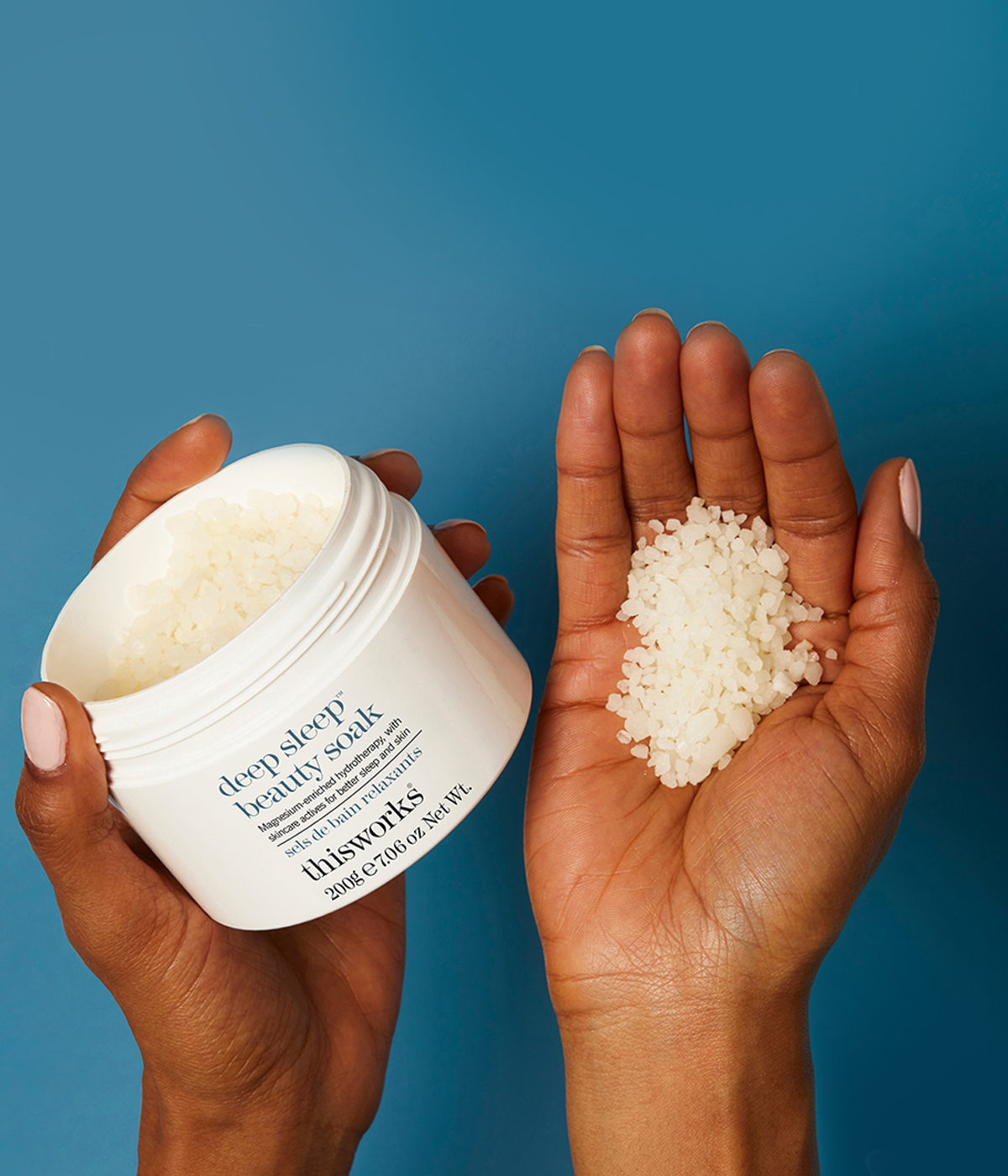
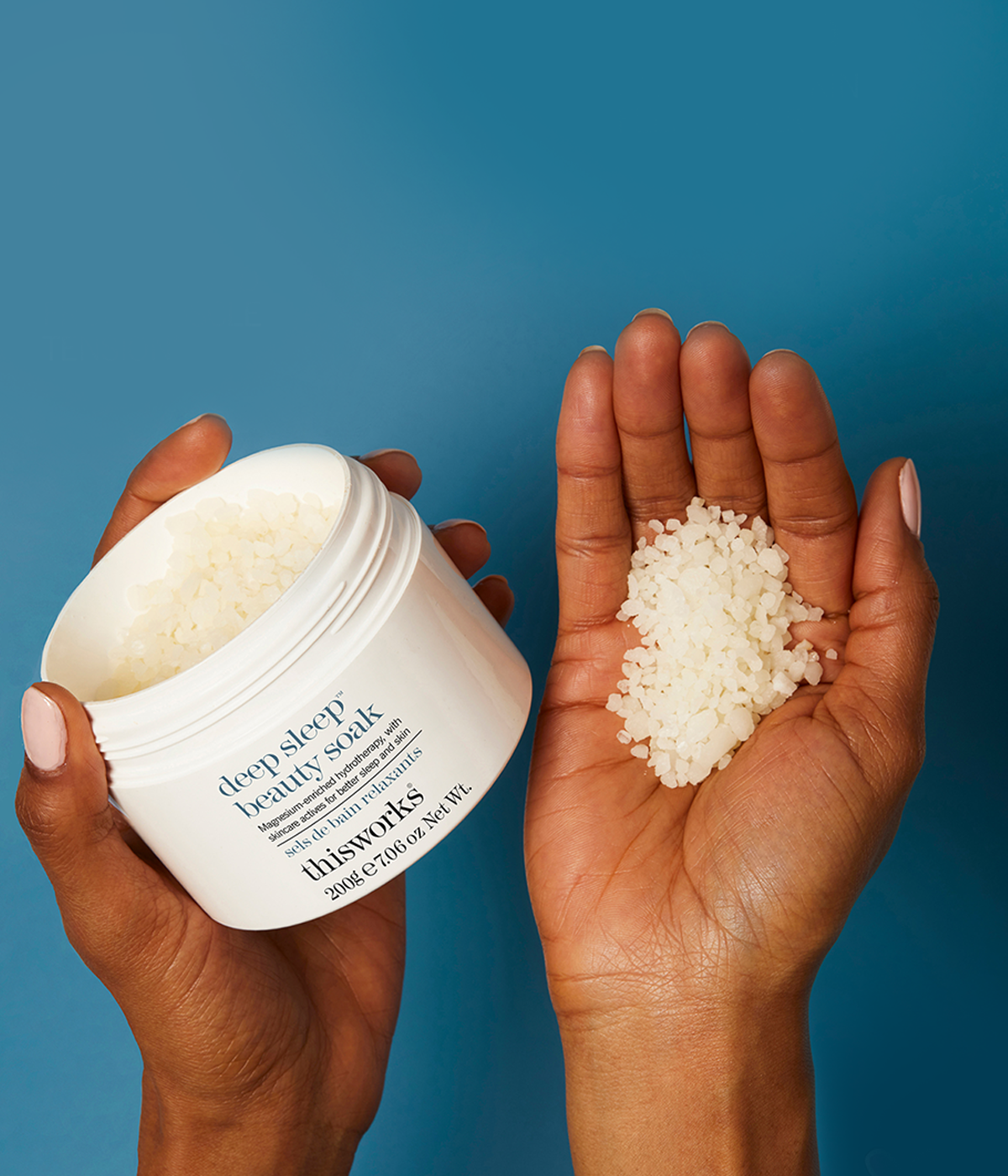
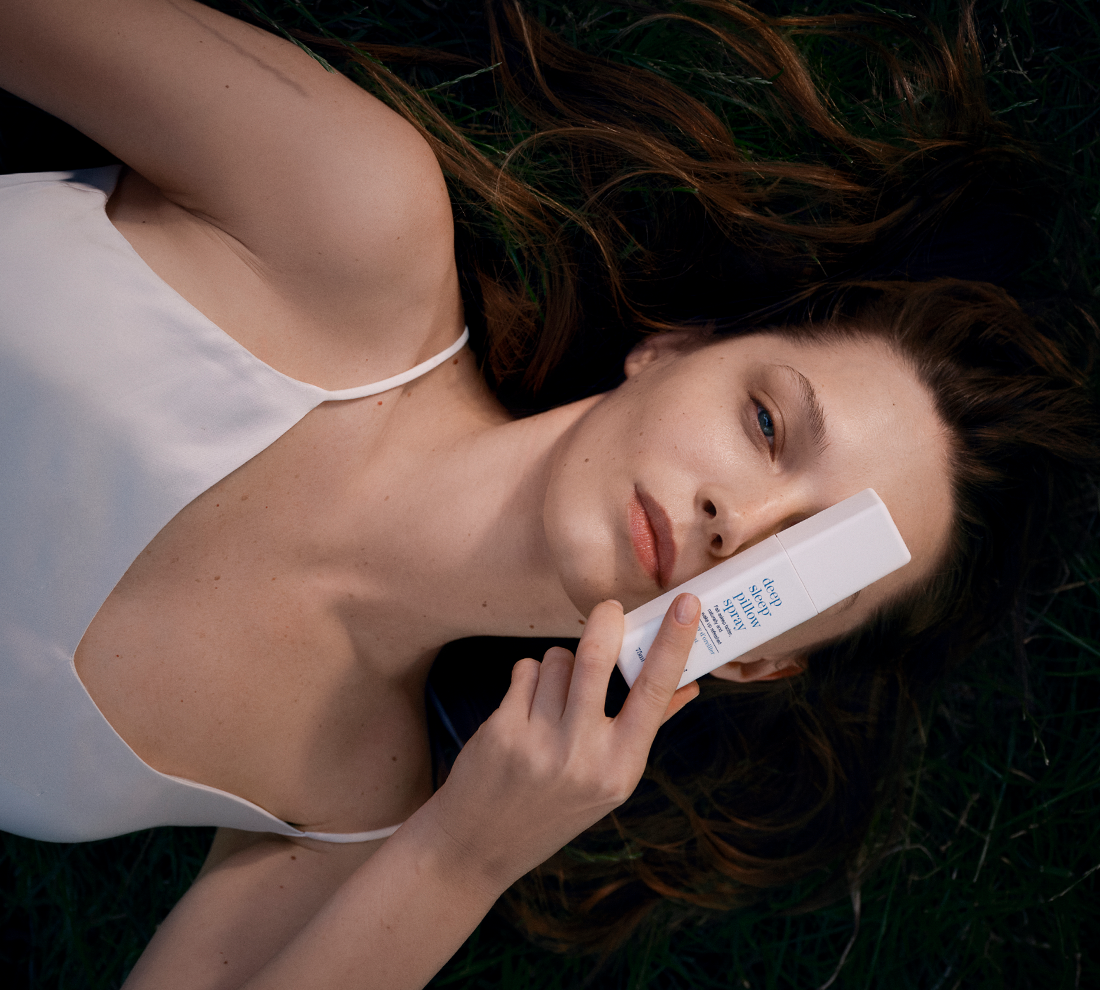
Switching off the ‘big lights’ in your home, lighting candles or turning on warm lamps will not only create a calming ambience for the nervous system, but it also helps to release melatonin, our natural ‘sleepy hormone’. Bright artificial lights should be totally avoided between 10 pm and 4 am, as these reduce sleepiness and can throw off the circadian clock. Instead, try lighting a candle like our deep sleep heavenly candle, which creates the perfect pre-sleep ambience with soft, flickering light, and the Deep Sleep aroma of Lavender, Camomile and Vetivert. Swap intense or overstimulating nighttime activity for self-care that promotes calm. Our whole sleep care collection is infused with our Deep Sleep Superblend, an fMRI-tested fragrance of Lavender, Camomile and Vetivert, to help calm the body, soothe the mind and improve sleep quality. Begin your evening wind down with a warm bath using deep sleep bath oil or deep sleep beauty soak, then nurture the skin on your face and body by slowing massaging deep sleep beauty oil or deep sleep body whip into skin, before spritzing bed linens with deep sleep pillow spray, clinically proven to improve sleep quality.

switch off screens, and your mind
This clock change, stepping away from digital devices and making more time for calmness, conversation, human connection, stillness, intimacy and rest. Small, mindful changes can make a big difference here. Try adopting new helpful habits like spritzing our neuro-modulating fine fragrance, Own Time, onto skin when you walk through the door. This luxury scent was specifically created to engage the parasympathetic nervous system (the body’s natural ‘rest and digest’ mode) through a unique blend of behaviour-altering terpenes, allowing space for rest and better-quality sleep. Swapping sitting in front of the TV for conversation and replacing rushed meals with sit-down dinners across from loved ones can make all the difference to how you feel during this clock change.
mindful mealtimes
The extra hour of daylight can make people more likely to stay up later, which can mean dinnertime and snacking happens later into the evening, too. While it’s tempting to reach for the chocolate and crisps, our food choices can also have an effect on sleep, as it becomes harder to fall asleep when we are having digestive issues, and harder to wake up in the morning feeling alert. Even a small sleep deficit can increase Ghrelin (the hunger hormone) and suppress Leptin (the hormone that tells us when we are satisfied), which is why people may find themselves hungrier than normal and having more food cravings the week after DST. Also, don’t be surprised if the biscuit tin starts calling your name and your regular smoothie doesn’t hit the spot like it usually does. When functioning on less sleep, hunger tends to alter our food choices, and unhealthier options can be more appealing.
In the same way that shifting your sleep and wake times before the clock change can help, moving the usual time you would eat breakfast, lunch, and dinner forward can have the same effect. Leading up to the 29th, eating your three meals 15-30 minutes progressively earlier can help anchor the circadian rhythm and get the body used to its new routine. Avoiding large meals, spicy foods, or those that cause heartburn or irritate the digestive system can help you rest easier. Leaving a 4–5-hour gap between your last meal of the day and bedtime increases sleep duration and reduces frequent waking.
Most importantly, remember that the effects of this clock change are temporary. While it might take a few days to adjust, taking simple, mindful steps can ease the transition and help you to enjoy all the beautiful things that come with the shift into spring.

Related posts
 sleep hygienewhen the clocks go back: how to help your body clock adjustAs the clocks go back, discover how the seasonal shift affects your sleep and the small changes that can help you adjust, with expert advice from Professor Gaby Badre and Lisa Artis, Deputy CEO of The Sleep Charity.read post
 expertsgetting on your nerves? episode 5: the September switchIn episode 5 of getting on your nerves?, Dr Anna Persaud is joined by medical doctor Dr Lana Gault to explore the September switch – how the transition from summer into autumn affects our physical health, mental wellbeing, sleep and...read post
 expertsgetting on your nerves? bonus episode: getting out of your head, into your bodyIn this Wellness Weekender special of getting on your nerves?, Dr Anna Persaud is joined by wellness expert and integrative therapist Esther Triviño to explore somatic yoga, interoception, nervous system regulation and how movement, breath, sound and sensory cues can...read post
 expertsgetting on your nerves? episode 4: wherever I lay my hatWhy can some people sleep anywhere, while others struggle as soon as their surroundings change? Dr Anna Persaud and Professor Gaby Badre explore sleep adaptability, circadian rhythm, nervous system regulation and how to become a more resilient sleeper when conditions...read post
 expertsgetting on your nerves? episode 1: signs you are stressedIn episode 1 of getting on your nerves?, Dr Anna Persaud is joined by medical doctor Dr Lana Gault to explore how stress first shows up in the body and mind. From burnout, fatigue and disrupted sleep to fight or...read post
 expertsgetting on your nerves? episode 3: the power of nowIn episode 3 of getting on your nerves?, Dr Anna Persaud is joined by psychotherapist and trauma expert Lauren Baird to explore why being present can feel so difficult. From negativity bias, fight or flight and the window of tolerance...read post
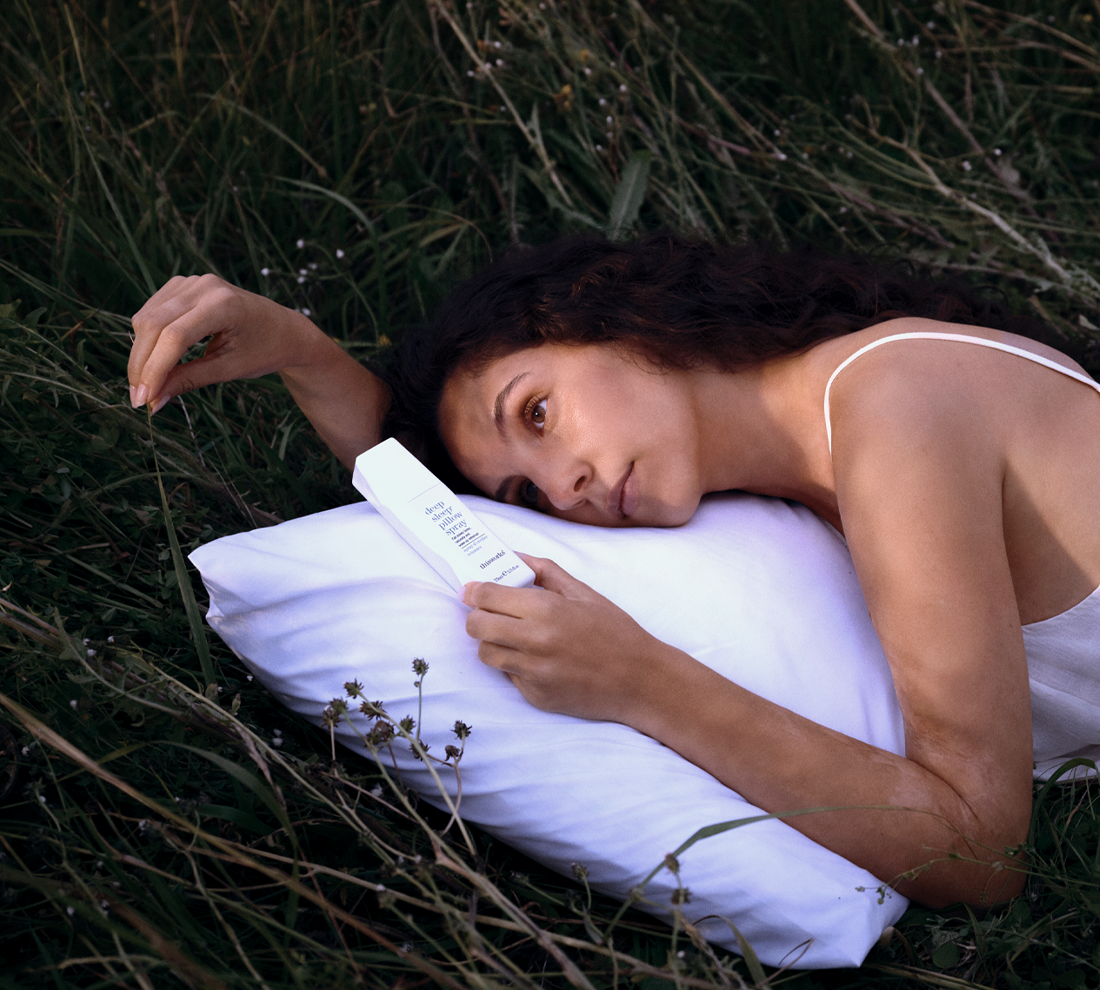 sleep hygienecan you train your brain for bedtime?Can a familiar scent become a signal that it is time to sleep? Professor Gaby Badre explores the connection between scent, the brain and nervous system — and how repeated sensory cues may help support the transition from daytime alertness...read post
 sleep hygienewhen the brain won’t switch off: understanding chronic insomniaWhy can sleep remain difficult long after the original trigger has passed? Professor Gaby Badre explores the science of chronic insomnia, the hyperarousal that can keep the brain alert at night, and how the brain can be retrained for sleep.read post
