









burnout: a doctor’s guide to recovery
Burnout is more than just feeling tired. In this expert-led guide, Dr Lana breaks down the science behind burnout, the subtle warning signs many people miss, and practical, medically grounded ways to restore balance and resilience.


how it affects your body, the subtle warning signs, and the path back to balance
Burnout has become something of a buzzword in modern wellness. It’s used casually, often interchangeably with stress or fatigue, yet it’s true meaning and its impact on the body is far more significant.
As a doctor, I see first-hand how lifestyle factors shape health outcomes. Chronic stress, poor sleep, and sustained pressure don’t just affect how we feel day to day; they influence how our bodies function at a biological level. Over time, this can manifest as both mental and physical illness. Burnout often sits quietly between the chaos of everyday life and the deeper weight of emotional exhaustion.

what burnout really is
Burnout is often described as a feeling however in reality it is a physiological process.
The World Health Organization defines burnout as “a syndrome resulting from chronic workplace stress that has not been successfully managed.” It is characterised by three key features: persistent exhaustion, a sense of detachment or cynicism towards work, and reduced professional effectiveness.
Importantly, burnout is not classified as a medical condition. It is considered an occupational phenomenon. Something that develops specifically in response to prolonged work-related stress which is a contrast to acute stress that require in short bursts. Burnout evolves gradually and it builds quietly over time, often unnoticed, until it begins to affect one’s life in multiple aspects.

the early signs we tend to ignore
In its early stages, burnout rarely feels dramatic. Instead, it presents as a subtle shift in how you feel day to day.
You might notice that your energy feels less consistent. Tasks that once felt straightforward require more effort. Your patience shortens, your focus drifts, and the things you used to enjoy begin to feel less rewarding.
These changes are easy to rationalise. A busy week. A run of poor sleep. A demanding period at work.
But burnout is less about individual symptoms and more about their persistence. It is the sense that your baseline has shifted and that you are no longer recovering in the way you used to.
Self-care often becomes deprioritised, not through neglect, but through lack of capacity. And because many people experiencing early burnout continue to function outwardly, these warning signs are often missed or normalised, particularly prevalent in high-performing individuals.
when burnout progresses
As burnout develops, it becomes more pervasive.
What begins as fatigue can evolve into something deeper - a sense of emotional detachment. Patients often describe feeling they are going through the motions rather than being fully present. Work can begin to feel overwhelming and at times, meaningless. This mindset can gradually extend beyond the workplace, affecting relationships and day-to-day life.
Physical symptoms often become more noticeable. Increased susceptibility to infections, persistent fatigue, and reduced performance are common. Sleep may become disrupted which presents as either difficulty switching off at night or waking unrefreshed despite adequate hours in bed.
At this stage, burnout can begin to resemble depression. While there is overlap, an important distinction remains. Burnout is typically linked to a specific environment, most commonly work, and symptoms may improve when that stressor is reduced. Depression, by contrast, tends to be more pervasive, affecting all areas of life regardless of context.
That said, burnout can significantly reduce resilience, increasing vulnerability to depression over time.
what is happening beneath the surface
While burnout is often framed as emotional or psychological, its effects are deeply rooted in physiology.
At the centre of this is the Hypothalamic–Pituitary–Adrenal axis, the system responsible for regulating the body’s response to stress. When activated, it releases cortisol—a hormone designed to help us respond to immediate challenges.
In a healthy state, cortisol follows a natural rhythm. It rises in the morning, helping us wake and engage with the day, and gradually declines as evening approaches. Under chronic stress, however, this rhythm becomes disrupted.
Instead of activating and then switching off, the system remains engaged. The body stays in a prolonged state of alertness often described as “fight or flight.” Over time, this sustained activation begins to affect multiple systems, shifting the body away from balance and towards strain.
the cardiovascular impact
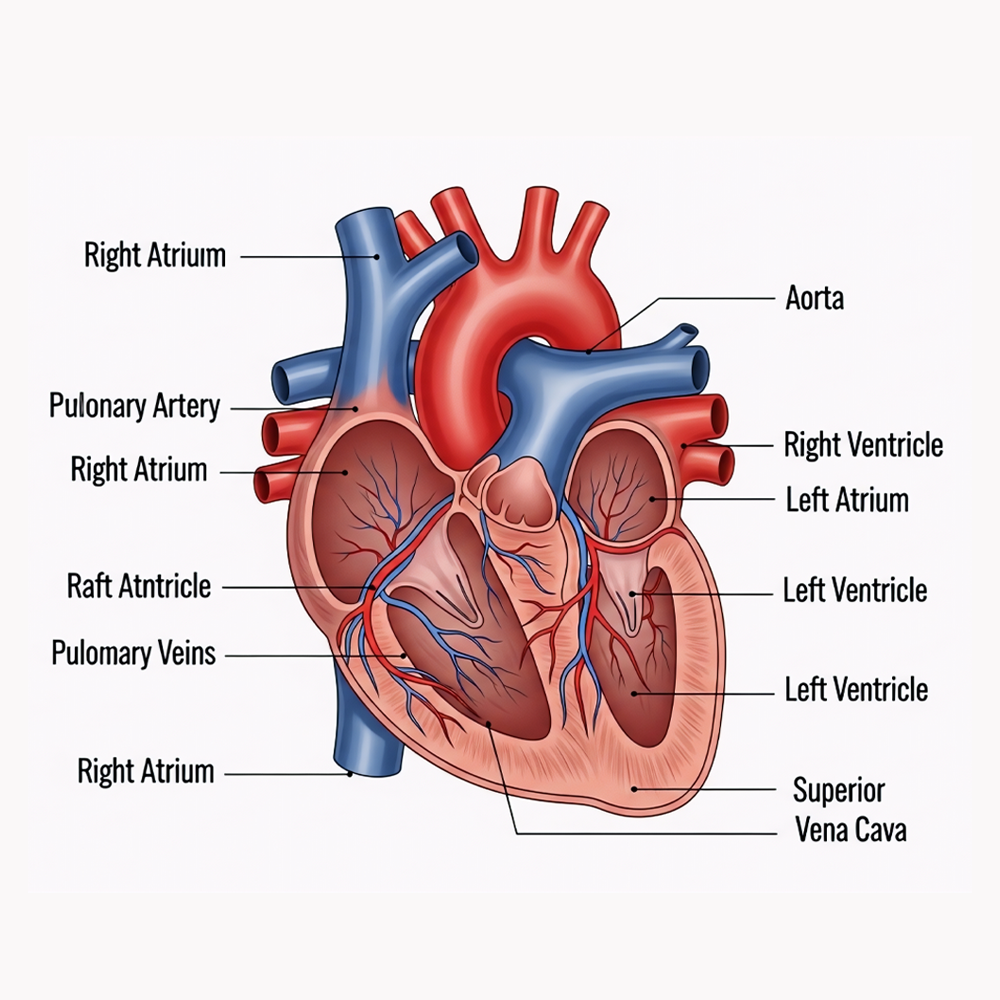
One of the most significant consequences of prolonged stress activation is its effect on the cardiovascular system.
Elevated cortisol increases activity within the sympathetic nervous system. This leads to narrowing of blood vessels, increased heart rate, and greater retention of sodium by the kidneys. The result is persistently elevated blood pressure.
In the short term, this response is adaptive. In the long term, it becomes harmful.
Sustained high blood pressure places strain on the vascular system, contributing to damage of the endothelial lining and the development of atherosclerotic plaques within these vessel walls. Over time, this significantly increases the risk of cardiovascular disease, including coronary heart disease and myocardial infarction known as a heart attack.
Research reflects this. Large cohort studies have demonstrated a clear association between burnout and increased cardiovascular risk, with more recent analyses showing a significant rise in prehypertension and cardiovascular-related hospitalisation among those experiencing burnout.
the immune system: a delicate imbalance
Burnout also has a profound and complex effect on the immune system.
In the early stages of chronic stress, elevated cortisol suppresses immune function. Clinically, this often presents as feeling run down. You notice more frequent colds, slower recovery, or a general sense of reduced resilience.
However, the body adapts to prolonged exposure. Immune cells become less responsive to cortisol, a phenomenon known as glucocorticoid resistance. When this occurs, the system shifts towards chronic, low-grade inflammation.
This creates a paradox: the immune system becomes less effective at protecting against infection while simultaneously promoting inflammation within the body. Over time, this inflammatory state contributes to a range of chronic conditions and further compounds the physiological burden of burnout.
burnout and ageing
The impact of burnout extends beyond immediate symptoms and into long-term health.
Repeated activation of the stress response contributes to what is known as allostatic load - the cumulative wear and tear on the body over time. This has been associated with cellular ageing, including telomere shortening, as well as increased oxidative stress and changes in gene expression.
In simple terms, chronic burnout does not just affect how you feel - it influences how your body ages.
why burnout is often missed
One of the reasons burnout is so frequently overlooked is that it does not present in a single, clearly defined way.
There is no definitive test or biomarker. Instead, it reveals itself through patterns and as I have described before - subtle shifts in energy, mood, resilience, and personal relationships.
This is why burnout is best understood through a biopsychosocial lens. Shaped not only by biological processes, but also by psychological factors and environmental demands. It is the interaction between these elements that determines how burnout develops and how it can be addressed. Using a holistic approach to burnout enables all these aspects to be considered.

how we can prevent and begin to reverse it
Understanding burnout is one thing. Preventing and addressing it requires a more intentional shift.
Recovery and prevention is not simply about taking time away from work, but about restoring balance to the body’s stress systems.
This often begins with re-establishing rhythm. Consistent sleep, exposure to natural light, and regular movement all play a role in regulating cortisol patterns and supporting recovery and building the resilience to prevent burning out. These are not lifestyle luxuries but in fact they are physiological requirements.
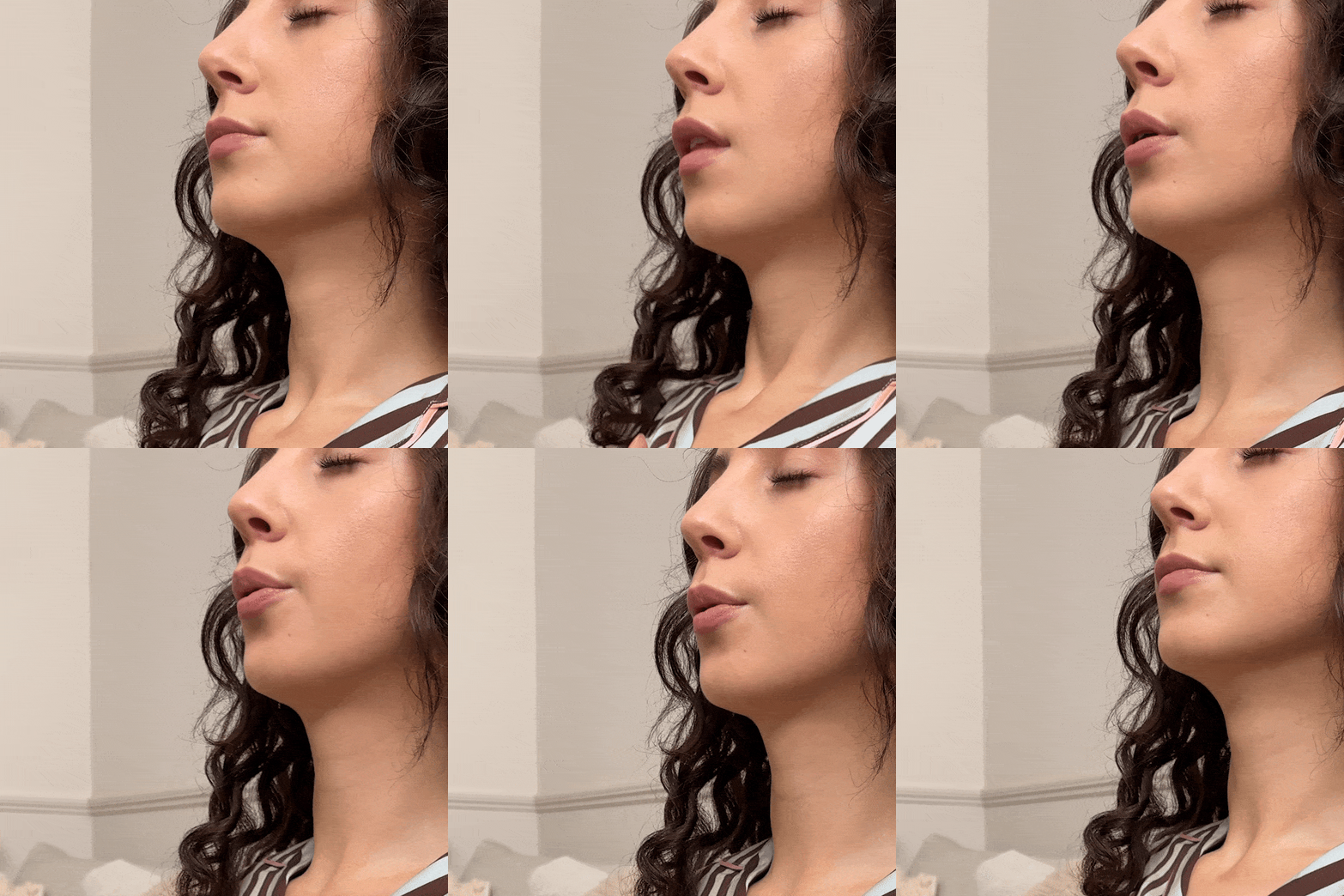
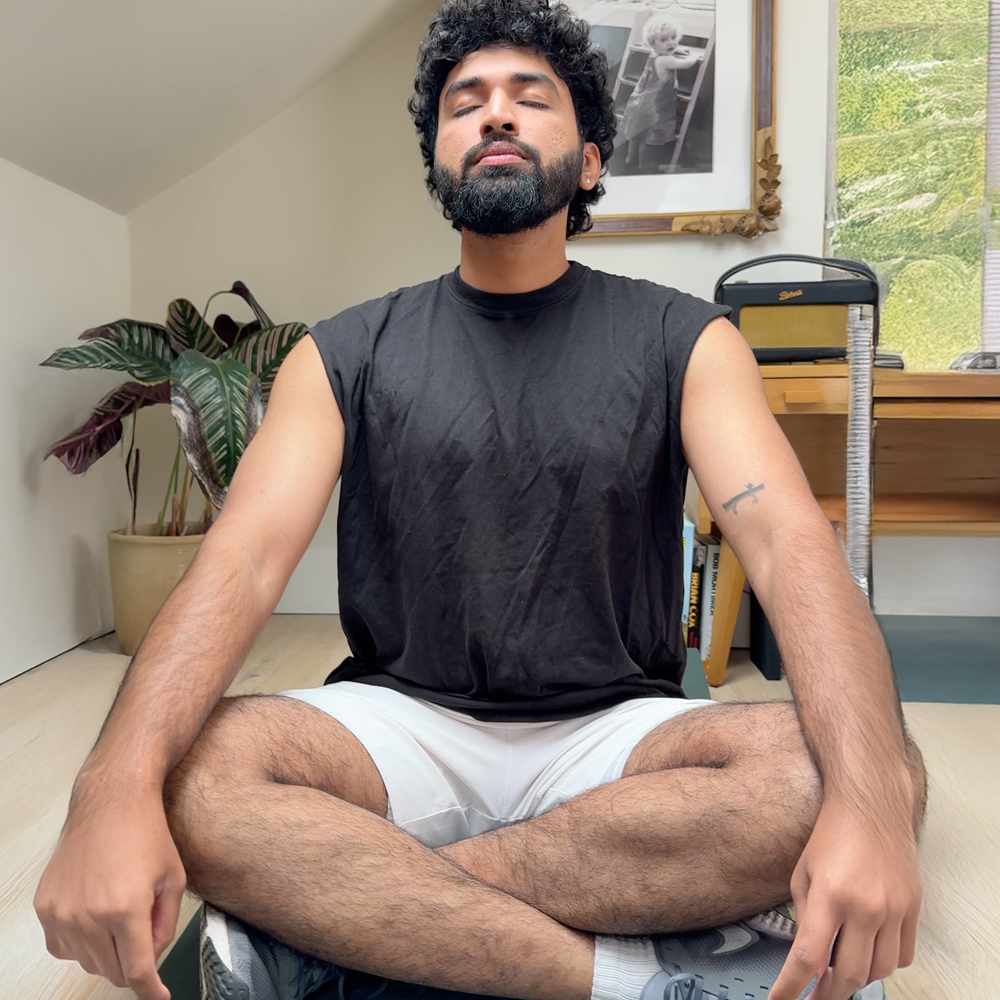
There is also strong evidence supporting the role of breathwork and meditation in reducing stress. Slow, controlled breathing can help regulate the autonomic nervous system, reducing sympathetic activation and promoting a state of calm. Similarly, mindfulness practices have been shown to lower cortisol levels and improve emotional regulation.
These interventions are simple, but they are powerful. They work not by masking stress, but by directly influencing the systems that drive it.
Equally important is creating space for rest and recovery within daily life and setting boundaries that prevent ongoing overload. Perhaps most significantly, recovery often requires addressing the root cause.
Burnout is rarely a reflection of personal failure. More often, it reflects a mismatch between misaligned lives, sustained demands and the capacity to meet them. Recognising this allows for change not just in behaviour, but in structure and self-perception and expectations.

a final thought
Burnout is not simply a feeling of being tired or overwhelmed. It is a signal. One that reflects real, measurable changes within the body.
When we begin to understand this, we can shift how we respond and instead of pushing through or dismissing the signs, we can recognise them for what they are: early indicators that something needs to change.
Ultimately, burnout is not something to overcome through endurance.
It is something to listen to.
If you feel you are struggling to keep up with the demands of life, if you feel burnout is something you can relate to, it is important to seek help and advice whether that be from medical professionals or initially from your own family and friends. Getting your spark back should be a priority and being informed and watching out for early signs of these changes is key to building the resilience and ability to work through any challenges not just in work but in all aspects of life.

references
- Frontiers in Psychology (2025) Chronic stress in relation to clinical burnout.
- Jonsdottir, I.H. et al. (2021) Burnout and biological markers: A systematic review.
- Koutsimani, P. et al. (2024) ‘Burnout and cardiovascular risk: A meta-analysis’.
- Laborde, S., Allen, M.S. and Hosang, T. (2022) ‘The role of slow-paced breathing in stress regulation’, Frontiers in Psychology, 13.
- McEwen, B.S. (2017) ‘Neurobiological and systemic effects of chronic stress’, Stress, 20(1), pp. 1–11.
- Melamed, S., Shirom, A., Toker, S., Berliner, S. and Shapira, I. (2012) ‘Burnout and risk of coronary heart disease’, Psychological Bulletin.
- Pascoe, M.C., Thompson, D.R. and Ski, C.F. (2017) ‘Mindfulness mediates the physiological markers of stress’, Psychoneuroendocrinology, 86, pp. 152–168.
- Salvagioni, D.A.J. et al. (2017) ‘Physical, psychological and occupational consequences of job burnout’, PLoS ONE, 12(10).
- World Health Organization (2019) Burn-out an occupational phenomenon.
Related posts
 expertsgetting on your nerves? episode 5: the September switchIn episode 5 of getting on your nerves?, Dr Anna Persaud is joined by medical doctor Dr Lana Gault to explore the September switch – how the transition from summer into autumn affects our physical health, mental wellbeing, sleep and...read post
 expertsgetting on your nerves? bonus episode: getting out of your head, into your bodyIn this Wellness Weekender special of getting on your nerves?, Dr Anna Persaud is joined by wellness expert and integrative therapist Esther Triviño to explore somatic yoga, interoception, nervous system regulation and how movement, breath, sound and sensory cues can...read post
 expertsgetting on your nerves? episode 4: wherever I lay my hatWhy can some people sleep anywhere, while others struggle as soon as their surroundings change? Dr Anna Persaud and Professor Gaby Badre explore sleep adaptability, circadian rhythm, nervous system regulation and how to become a more resilient sleeper when conditions...read post
 expertsgetting on your nerves? episode 1: signs you are stressedIn episode 1 of getting on your nerves?, Dr Anna Persaud is joined by medical doctor Dr Lana Gault to explore how stress first shows up in the body and mind. From burnout, fatigue and disrupted sleep to fight or...read post
 expertsgetting on your nerves? episode 3: the power of nowIn episode 3 of getting on your nerves?, Dr Anna Persaud is joined by psychotherapist and trauma expert Lauren Baird to explore why being present can feel so difficult. From negativity bias, fight or flight and the window of tolerance...read post
 sleep hygienecan you train your brain for bedtime?Can a familiar scent become a signal that it is time to sleep? Professor Gaby Badre explores the connection between scent, the brain and nervous system — and how repeated sensory cues may help support the transition from daytime alertness...read post
 sleep hygienewhen the brain won’t switch off: understanding chronic insomniaWhy can sleep remain difficult long after the original trigger has passed? Professor Gaby Badre explores the science of chronic insomnia, the hyperarousal that can keep the brain alert at night, and how the brain can be retrained for sleep.read post
 skincare concernsin transit no traces featured in British Vogue: the cleansing essential for hard waterOur in transit no traces cleansing pads have been featured in British Vogue as a Vogue-approved skincare solution for hard water, helping remove lingering residue without the need to rinse.read post
