









exam stress: why nervous system care matters as much as revision
Exam stress is not just emotional - it is physiological. From memory and concentration to sleep and recovery, the state of the nervous system directly affects cognitive performance. Here, we explore the science behind stress and learning, why so many students become stuck in ‘fight or flight’ during exam season, and how nervous system care and This Works’ neuroregulating products can support calmer thinking, better sleep and improved resilience under pressure.

why exam stress is really a nervous system issue
Exam performance is closely linked with the effectiveness of information acquisition and retention. Key cognitive functions - including attention, encoding, storage and retrieval - are central to the learning process.
But what we often overlook is that all of these functions are deeply influenced by the nervous system.
The brain learns and performs best when the body feels regulated and safe. When the nervous system is balanced, we are more able to focus, absorb information, process memories and think clearly under pressure. But during exam periods, many students spend weeks functioning in a heightened stress state, constantly overstimulated and mentally switched on.
At This Works, we believe everyday stress management is something many of us are now actively chasing. More and more people are stuck in ‘fight or flight’ - and less able to return to baseline. Exam season can intensify this dramatically, particularly in a world where young people are already navigating digital overload, pressure to perform and chronic overstimulation.
Nervous system care is therefore not separate from academic performance - it is foundational to it.

what stress does to the brain and memory
Memory involves three main processes: encoding, storage and retrieval.
- Encoding is how information is acquired and transformed into a format the brain can store
- Storage refers to maintaining information over time
- Retrieval is the ability to access information when needed, such as during exams
When the nervous system is under stress, these processes become less efficient.
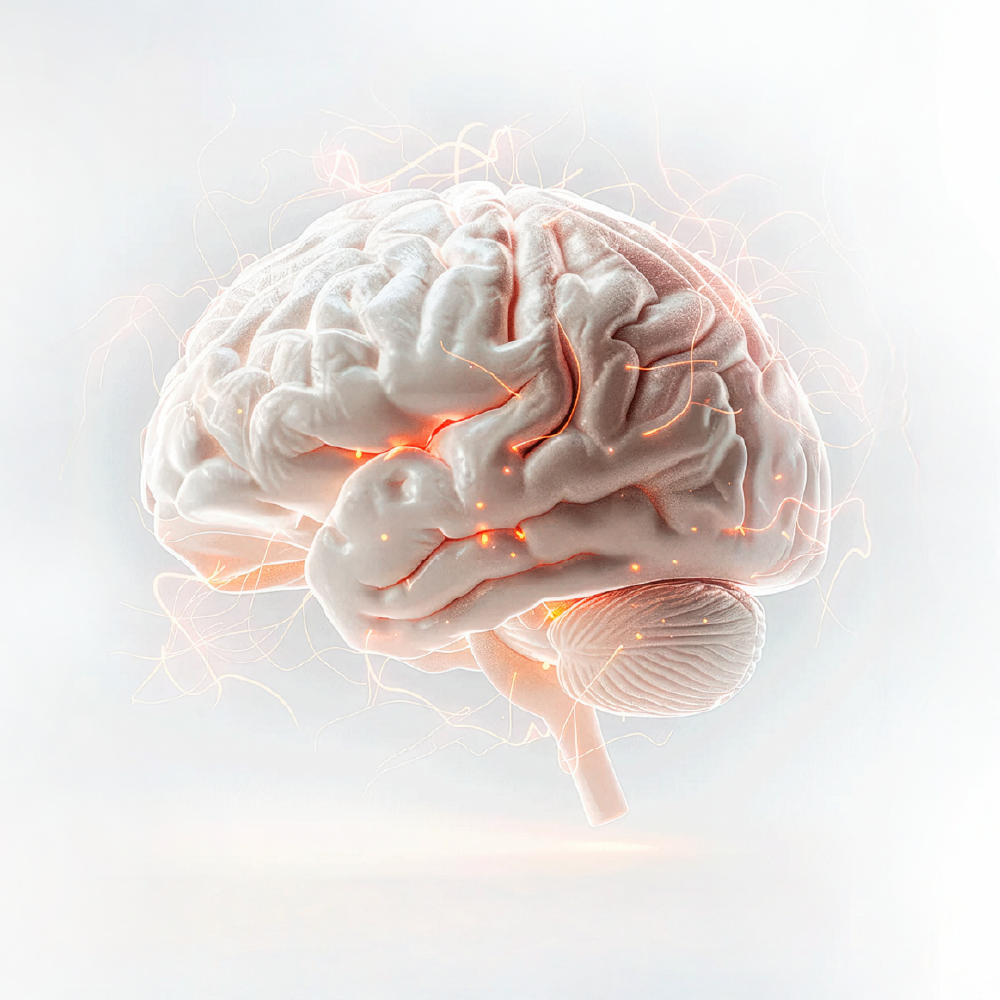
Chronic activation of the stress response increases cortisol and adrenaline production through the hypothalamic-pituitary-adrenal axis. In short bursts, this can temporarily sharpen alertness, but when sustained over time it begins to impair concentration, working memory, emotional regulation and recall.
This is why students often experience the frustrating feeling of revising extensively, only to suddenly blank in an exam setting. Often the issue is not preparation or intelligence - it is that the nervous system has become overloaded.
The body shifts into survival mode, prioritising vigilance and threat detection over higher cognitive functioning. Physiologically, the brain is no longer operating from a calm, regulated state that supports optimal learning.
This is also why nervous system regulation needs to become part of revision itself, not something considered afterwards once stress becomes unmanageable.
the ‘tired but wired’ exam experience
One of the most common patterns during exam season is feeling physically exhausted but mentally unable to switch off.
Students often describe feeling drained all day, only to become suddenly alert at night - unable to properly relax, sleep deeply or stop mentally rehearsing information.
This happens because the nervous system remains activated long after studying has ended. Cortisol rhythms become disrupted, making it harder for the body to transition naturally into rest and recovery. Sleep quality declines, and because sleep is essential for memory consolidation, cognitive performance often declines alongside it.
This creates a cycle where stress disrupts sleep, poor sleep worsens concentration and memory, and declining performance then increases anxiety further.
In many ways, these physiological patterns overlap with what we increasingly see in burnout. The nervous system loses flexibility and becomes stuck in a prolonged state of alertness without enough opportunities to properly recover.

why nervous system care should be part of every revision routine
We tend to think of studying as purely intellectual, but learning is deeply physiological too.
The nervous system needs moments of safety, recovery and regulation in order for the brain to function effectively. This means revision should not just focus on information intake - it should also include practices that actively support nervous system balance.
Simple habits such as consistent sleep schedules, regular movement, exposure to natural daylight and structured study breaks all help regulate stress responses and improve cognitive function.
Breathwork and mindfulness practices can also play a significant role. Slow, controlled breathing helps activate the parasympathetic nervous system - the body’s ‘rest and digest’ mode - reducing sympathetic activation and helping the brain move away from ‘fight or flight’.
Importantly, nervous system care is not about eliminating stress completely. A certain level of stress can be motivating and adaptive. The goal is helping the body move fluidly between activation and recovery rather than becoming trapped in chronic overstimulation.
Rest is not laziness during exam periods. Recovery is part of performance.
how neuroregulating bodycare can support you
Sensory experiences communicate directly with the nervous system. Fragrance, touch and texture all influence how safe, calm and regulated the body feels.
This is where neuroregulating bodycare can become especially supportive during periods of academic stress.
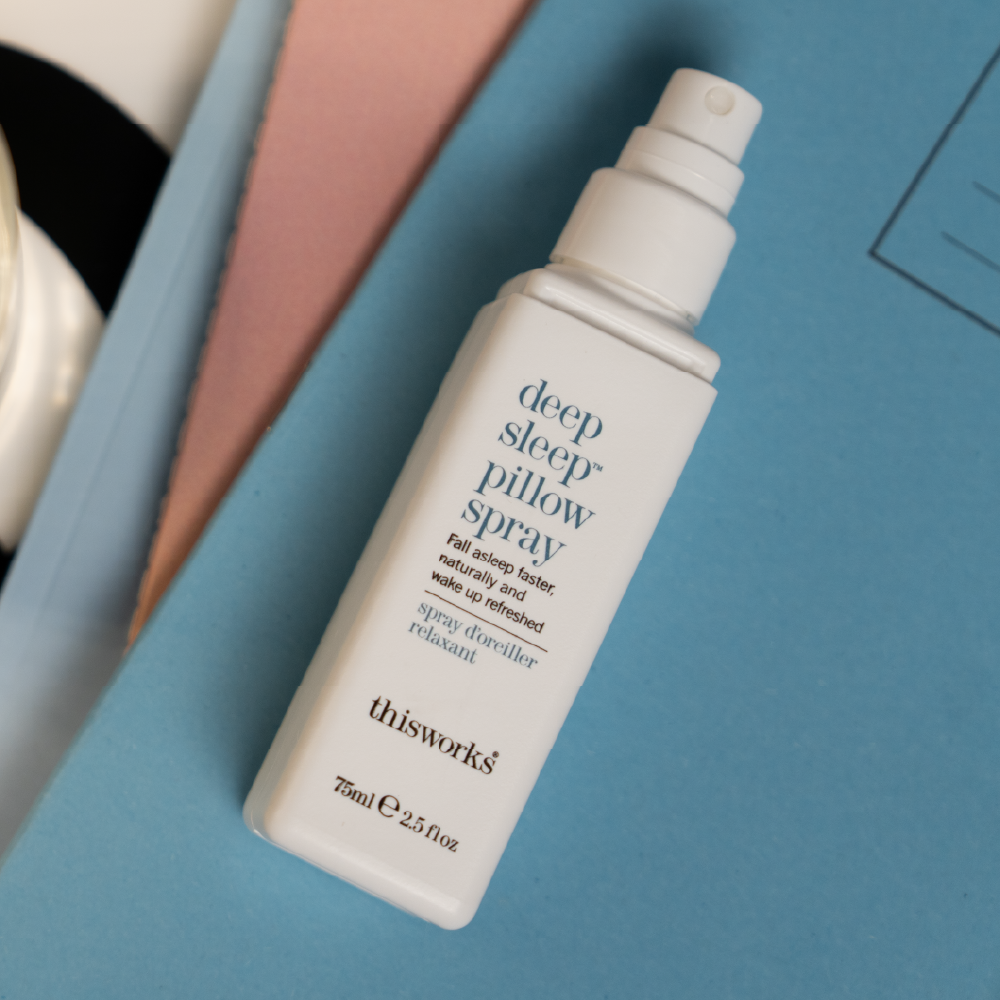
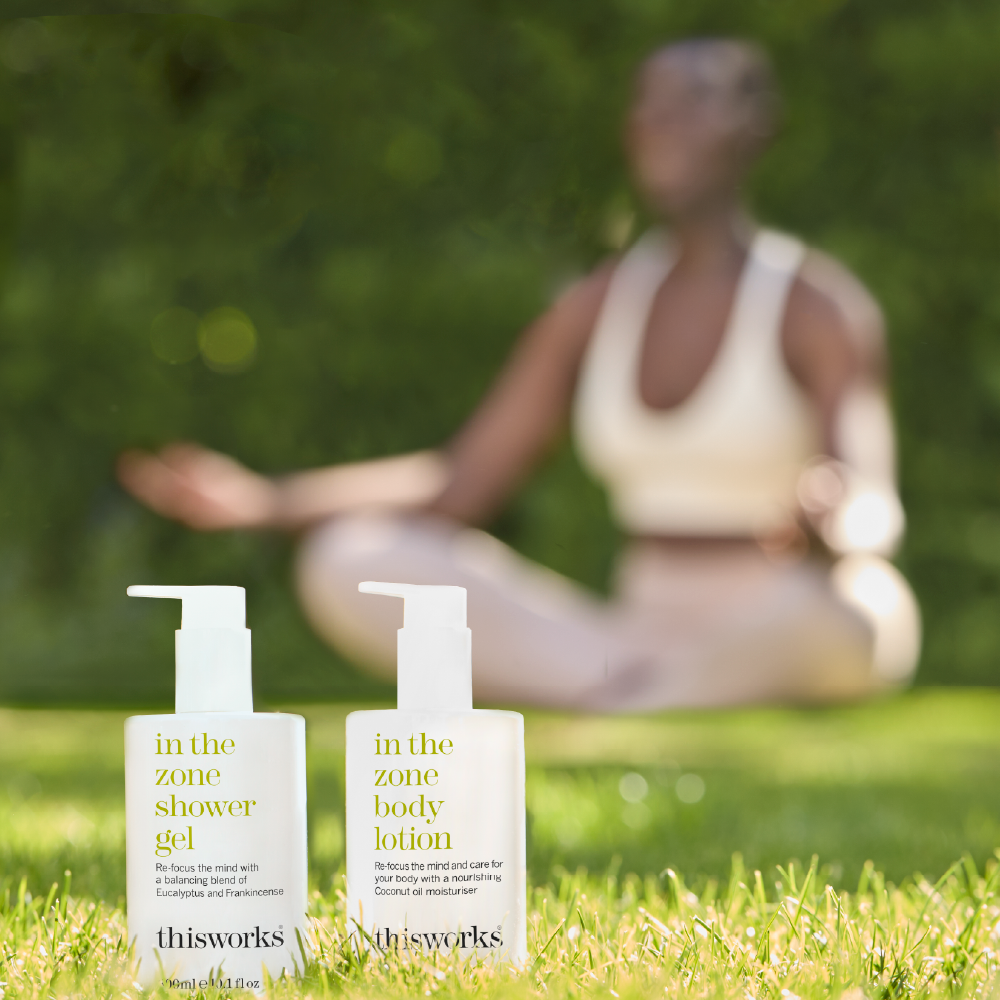
Creating small rituals around studying and sleep - whether through calming fragrances, mindful skincare, bodycare products or bathing rituals - can help provide consistent sensory signals that encourage the body to move away from a stress state and towards recovery.
These moments are not simply cosmetic or indulgent. Physiologically, they help reinforce feelings of calm, safety and grounding at a time when the nervous system is often overstimulated.
For students living in a constant cycle of screens, pressure and mental overload, these rituals can become powerful anchors that support emotional regulation and better quality rest.
At This Works, we see neuroregulating bodycare as part of modern nervous system care. Supporting the body’s ability to switch off, recover and return to baseline is increasingly essential in a world where so many people remain permanently switched on.

small ways to support the nervous system during exam season
- Prioritise sleep consistency and recovery
- Use active recall and spaced repetition rather than passive re-reading
- Take structured breaks to reduce nervous system overload
- Reduce overstimulation before bed, particularly from screens
- Practice slow breathing or mindfulness exercises daily
- Incorporate movement and daylight exposure into revision routines
- Use calming sensory rituals and neuroregulating bodycare to support relaxation and sleep
- Avoid relying on caffeine and late-night studying to override exhaustion
- Remember that nervous system regulation directly affects focus, memory and emotional resilience
a final thought
Exam stress is often treated purely as a mental challenge, but it is deeply physiological too. The state of the nervous system affects attention, memory, emotional regulation, sleep and cognitive performance.
In a culture that encourages constant productivity and overstimulation, nervous system care has become one of the most important - and overlooked - parts of wellbeing and performance.
Sometimes the most effective thing we can do for learning is not pushing harder, but helping the body feel safe enough to properly recover, regulate and think clearly again.

Related posts
 sleep hygienecan you train your brain for bedtime?Can a familiar scent become a signal that it is time to sleep? Professor Gaby Badre explores the connection between scent, the brain and nervous system — and how repeated sensory cues may help support the transition from daytime alertness...read post
 sleep hygienewhen the brain won’t switch off: understanding chronic insomniaWhy can sleep remain difficult long after the original trigger has passed? Professor Gaby Badre explores the science of chronic insomnia, the hyperarousal that can keep the brain alert at night, and how the brain can be retrained for sleep.read post
 skincare concernsin transit no traces featured in British Vogue: the cleansing essential for hard waterOur in transit no traces cleansing pads have been featured in British Vogue as a Vogue-approved skincare solution for hard water, helping remove lingering residue without the need to rinse.read post
 fragranceOwn Time Eau de Parfum featured in Refinery29: the connection between scent and wellbeingOwn Time Eau de Parfum features in a personal Refinery29 exploration of fragrance, self-care and endometriosis, with our CEO Dr Anna Persaud sharing the science behind scent, memory and emotion.read post
 bodycare concernssummer skin recoverySummer may leave skin dry, dull and depleted, but recovery is about more than restoring your glow. Discover how intelligent skincare, technology and the power of touch can help replenish post-summer skin while reconnecting you with the body you live...read post
 expertsthe science of switching off – a Doctor’s perspectiveDr Lana Gault explores the science behind switching off, from nervous system regulation and circadian rhythms to the simple, repeatable cues that can help prepare the body and brain for sleep.read post
 sleep hygienethe science of switching offYou don’t just have a sleep problem, you have a switching off problem. Sensory care rituals and neuroscience-informed products designed to support the transition into sleep and recovery.read post
 fragranceOwn Time Eau de Parfum wins an Oprah Daily Beauty O-ward for best bedtime scentOur Own Time Eau de Parfum has been named Best Bedtime Scent in the Oprah Daily Beauty O-wards, celebrating the very best in beauty and wellbeing.read post


